
Night Shift
About
Night shift is a 2 to 4 player couch competitive game where you are a late-night worker at an insane fun house and your goal is to avoid the night shift by obtaining the only key and escaping the funhouse before your colleagues do.
(This is one of my personal favorite concepts since the player feedback and experience overall was positive)
Primary Role:
Level designer
Secondary Role:
Game designer
Engine:
Unreal Engine 4
Team Size:
8
Duration:
2 weeks
Platform:
PC
Software’s used:
- UE 4
- Jira
- Perforce
- Miro
Main Responsibilities
- Full ownership of all levels and design of rooms
- Research on level design ingredients and the concept itself which heavily affected the direction of the game
- Responsible for rapid iteration and prototyping of levels and implementation of LDIs
- Designing core gameplay loop and pillars and concept pitching
As a producer & SCRUM master
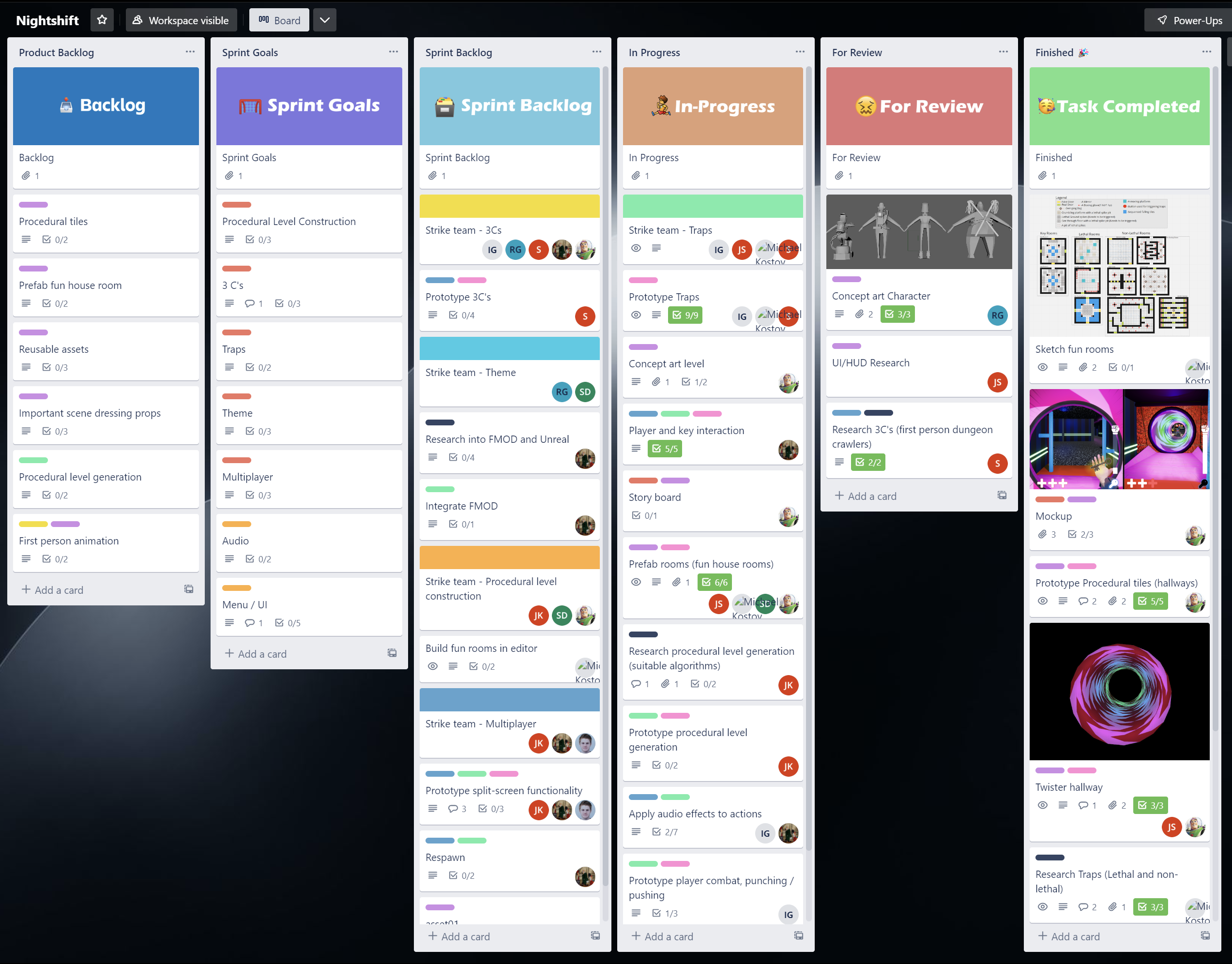
- Introducing SCRUM to my team and setting up of Trello pipelines and assisting teammates with planning throughout the full development
Navigators:
Research & Concept Ideations
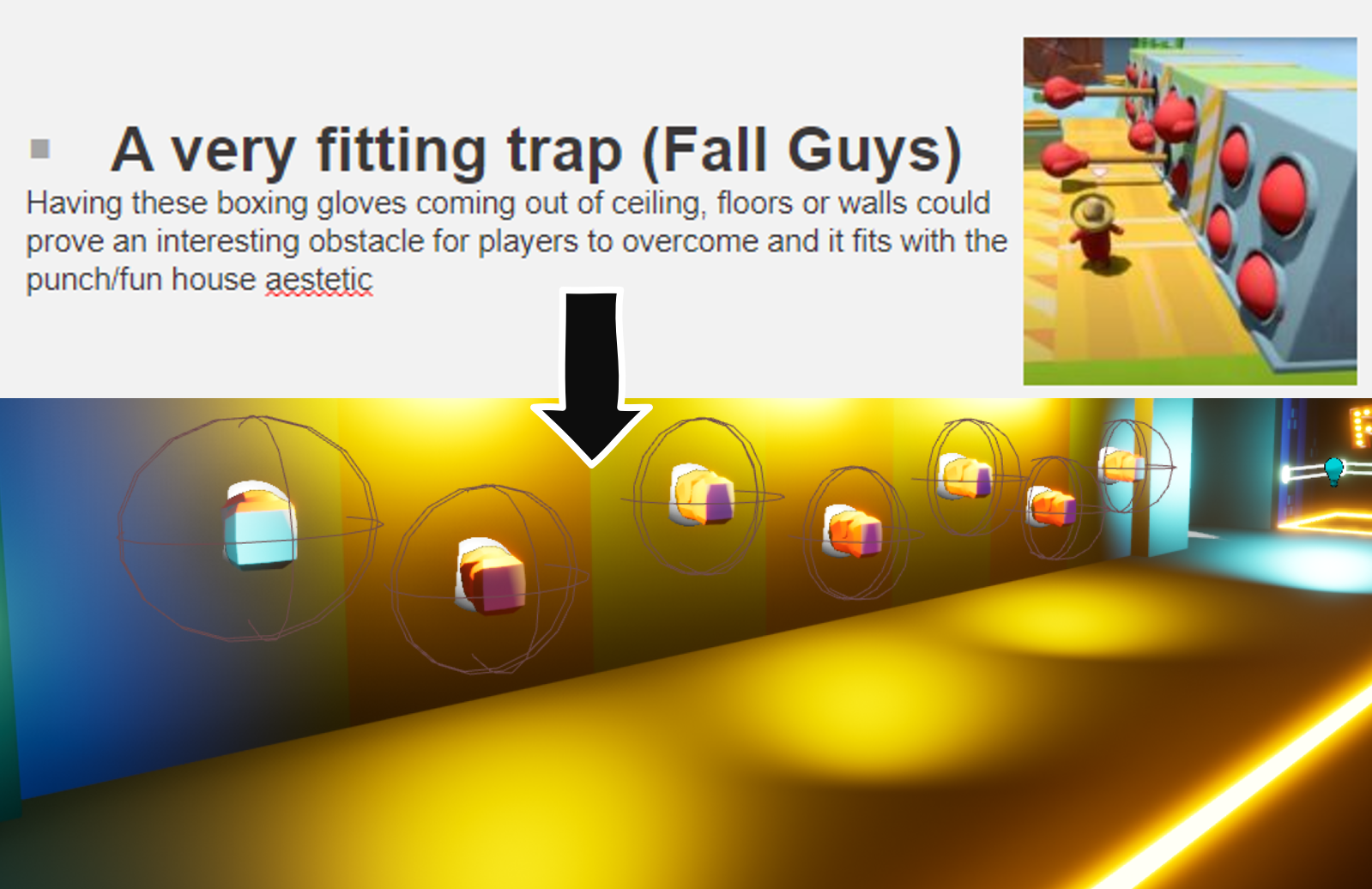
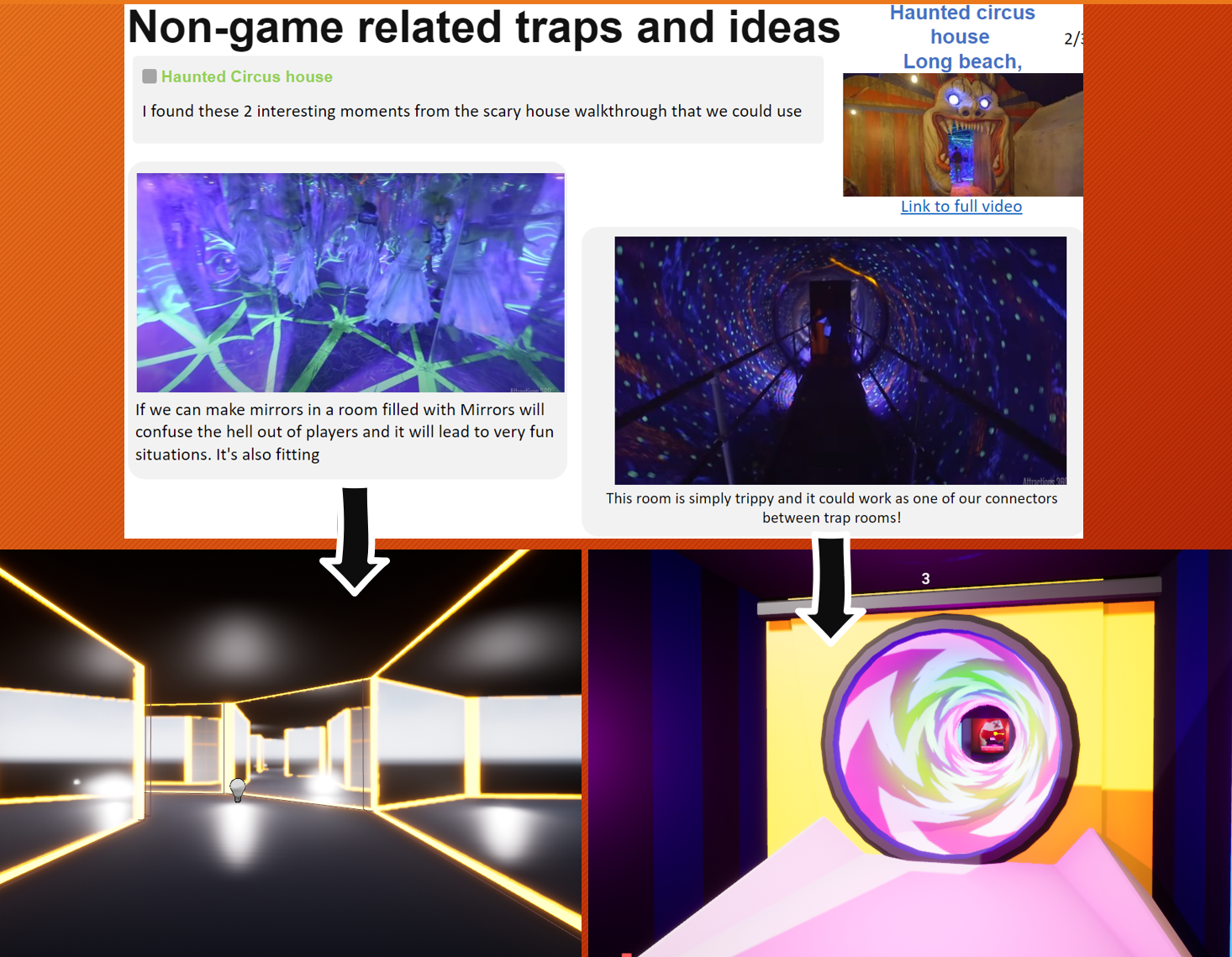
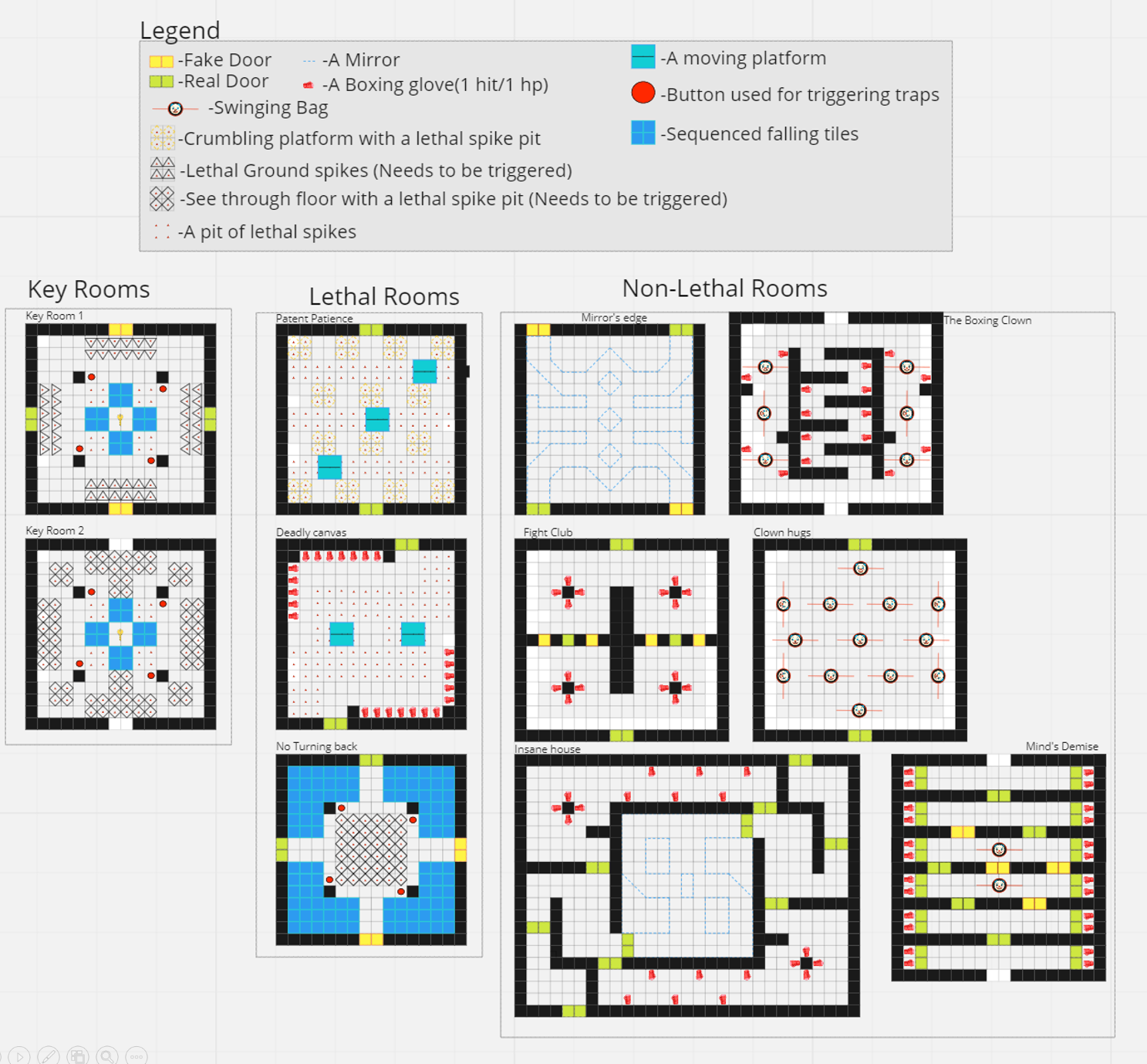
Traps are a highly in-depth mechanics that can go in many directions because they are an amazing tool to curate and design interesting game spaces.
This research defined the tone of the concept and several applied game research questions such as, “who is my target audience?”, led me to explore & research actual “fun houses” in real life.
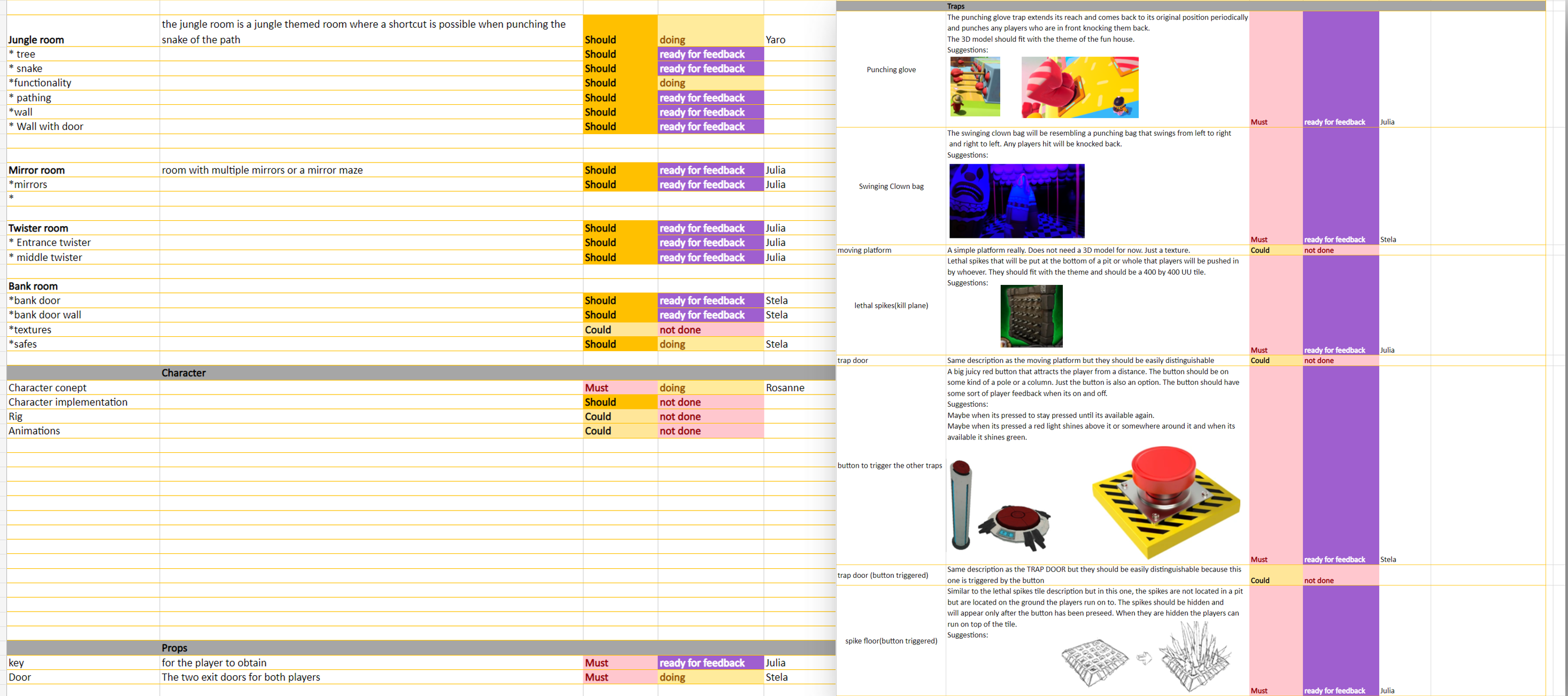
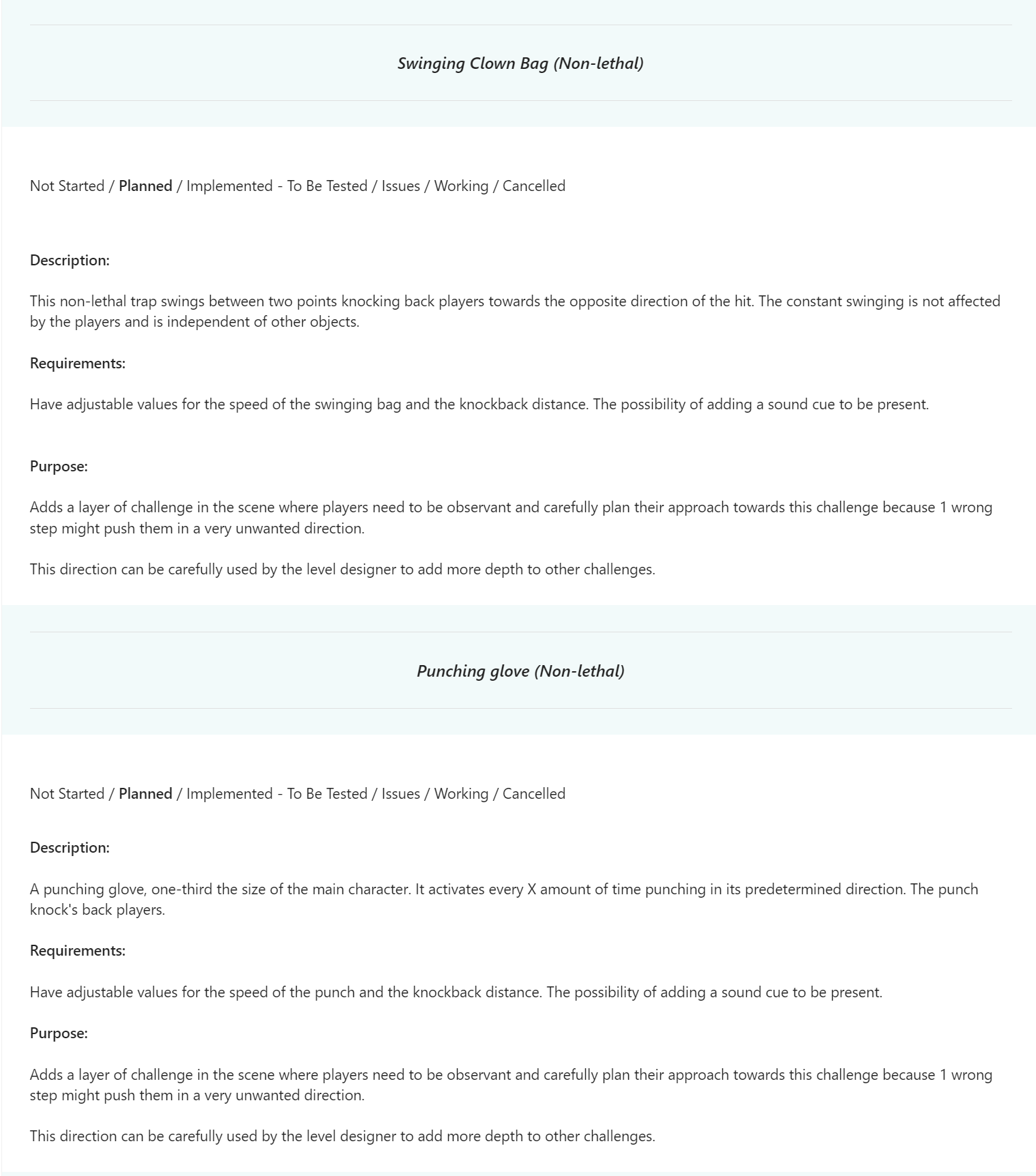
All proposed traps were strike-team evaluated but only some were planned in for production.
Those who were planned in, descriptive designs were written down and visually communicated with both programmers and visual artists.
Blockout
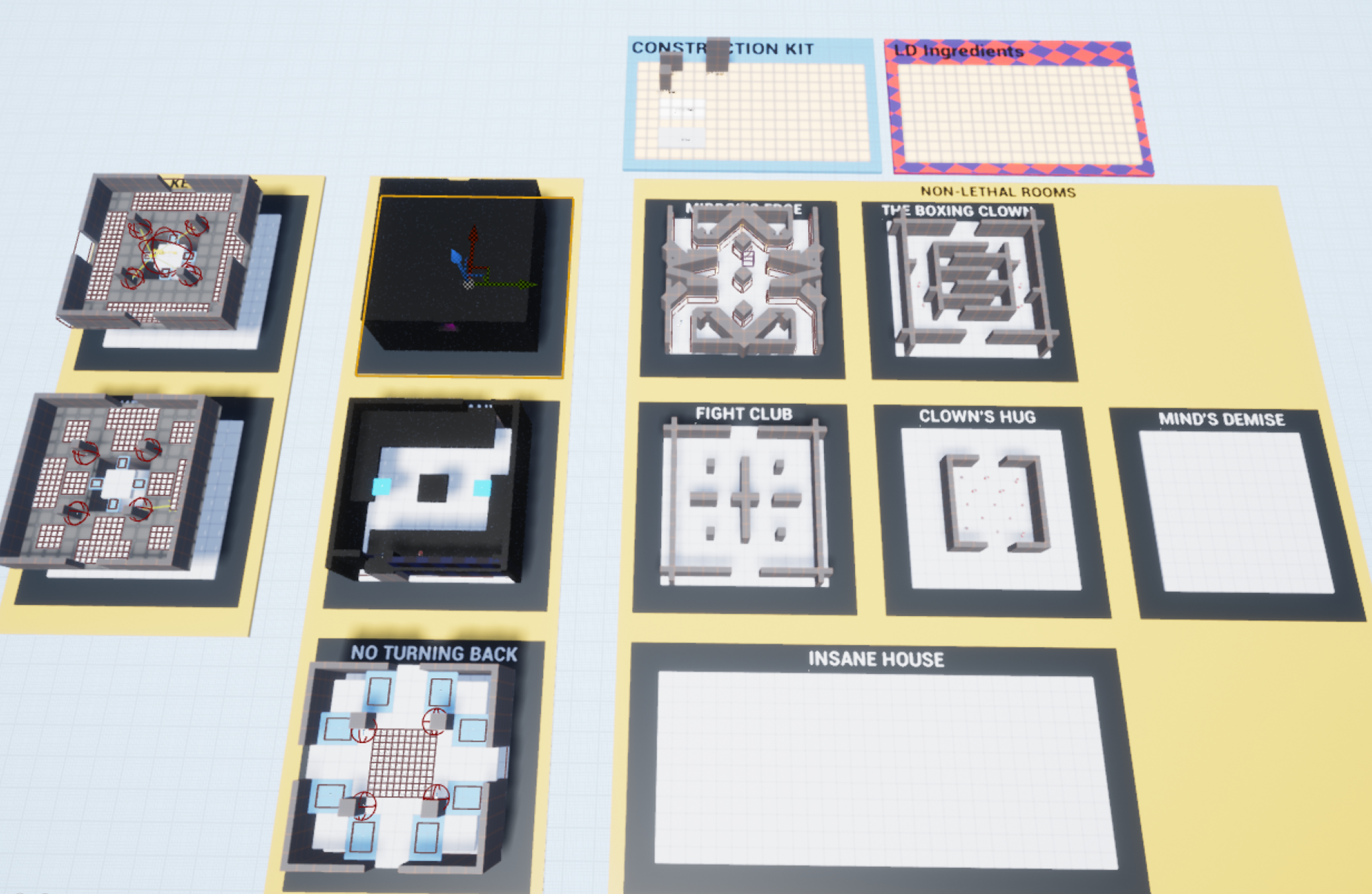
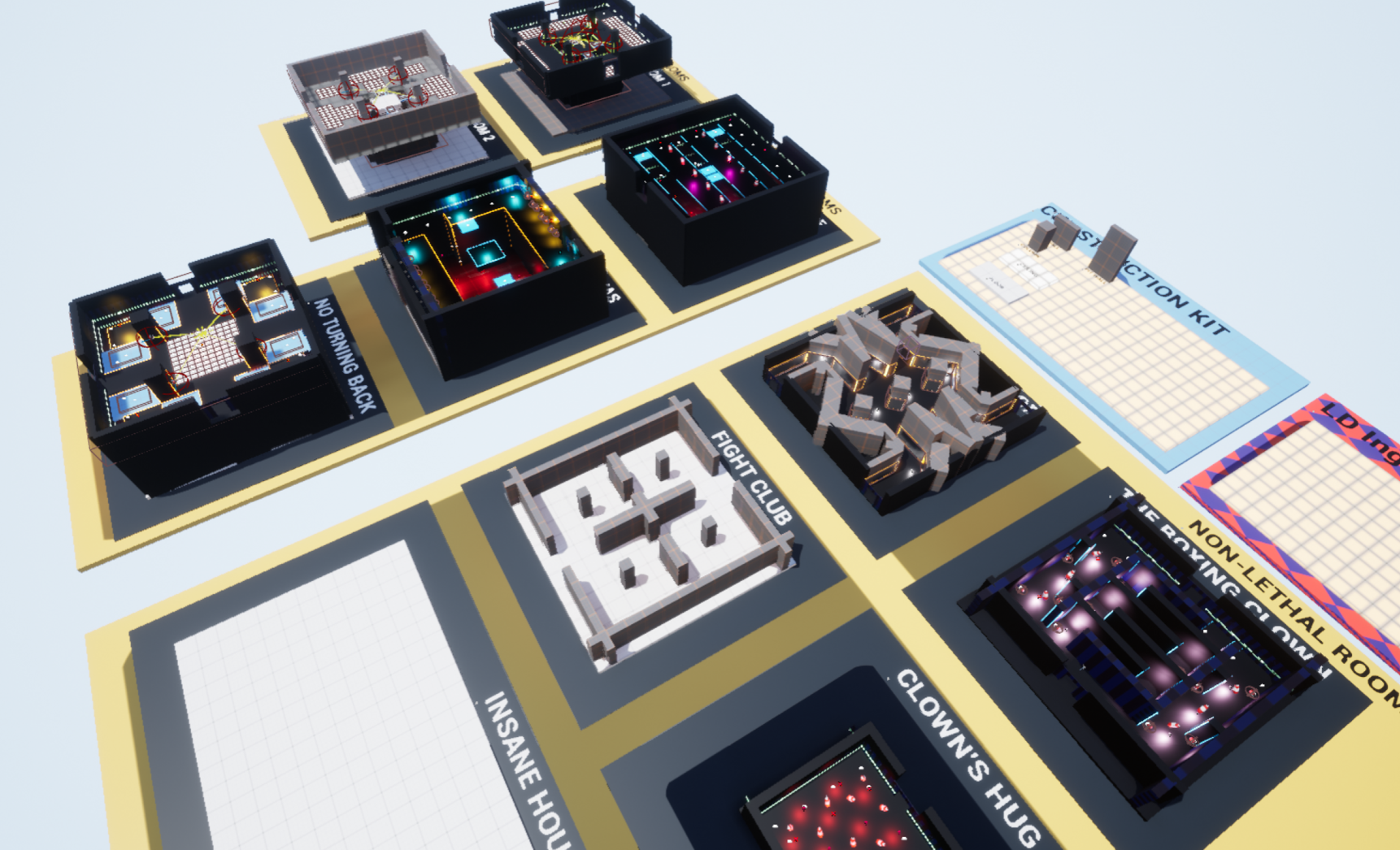
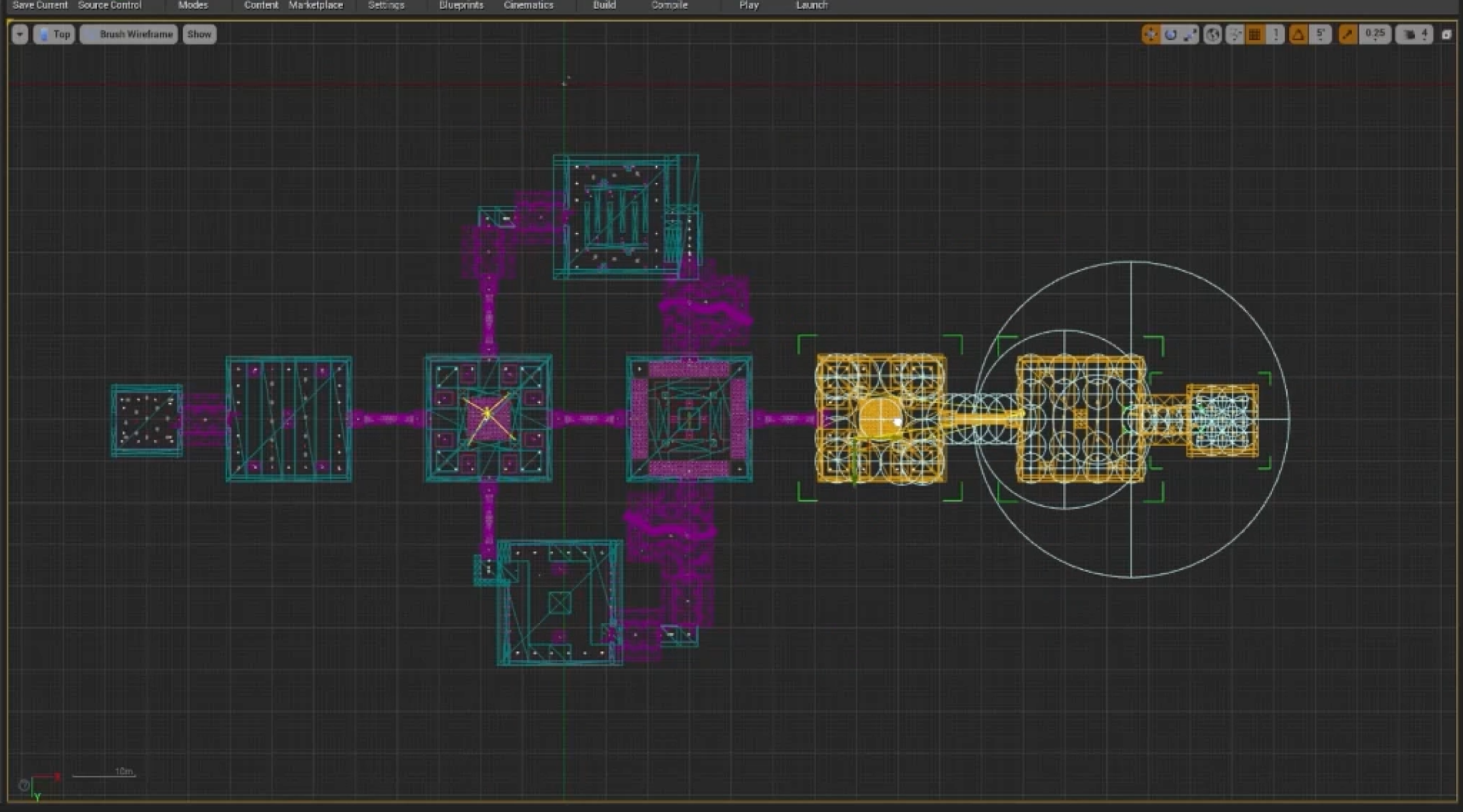
These are the initial blockouts made based on the concepts made in Miro.
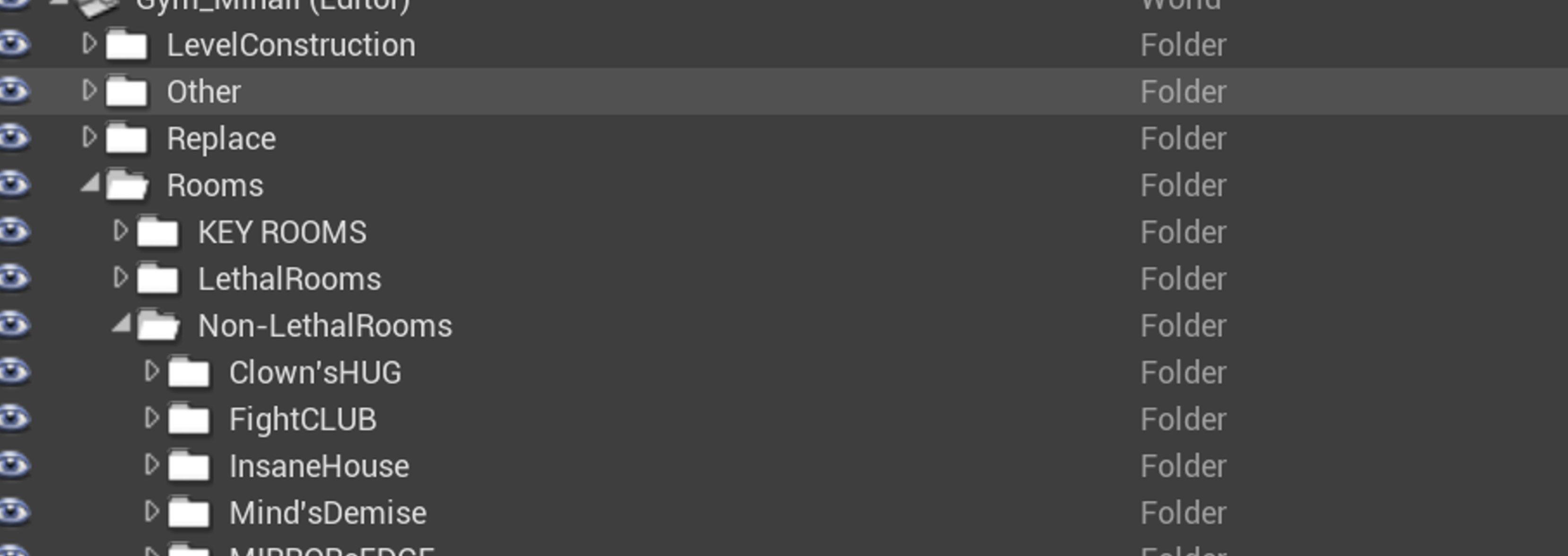
An important aspect that shouldn’t be overlooked in a rapid prototyping is organized folders and level structure. A folder hierarchy with one-liners representing each room allows for quick navigation and potential iterations including multidisciplinary ones. It has always been important for me to keep a clean house.
Level
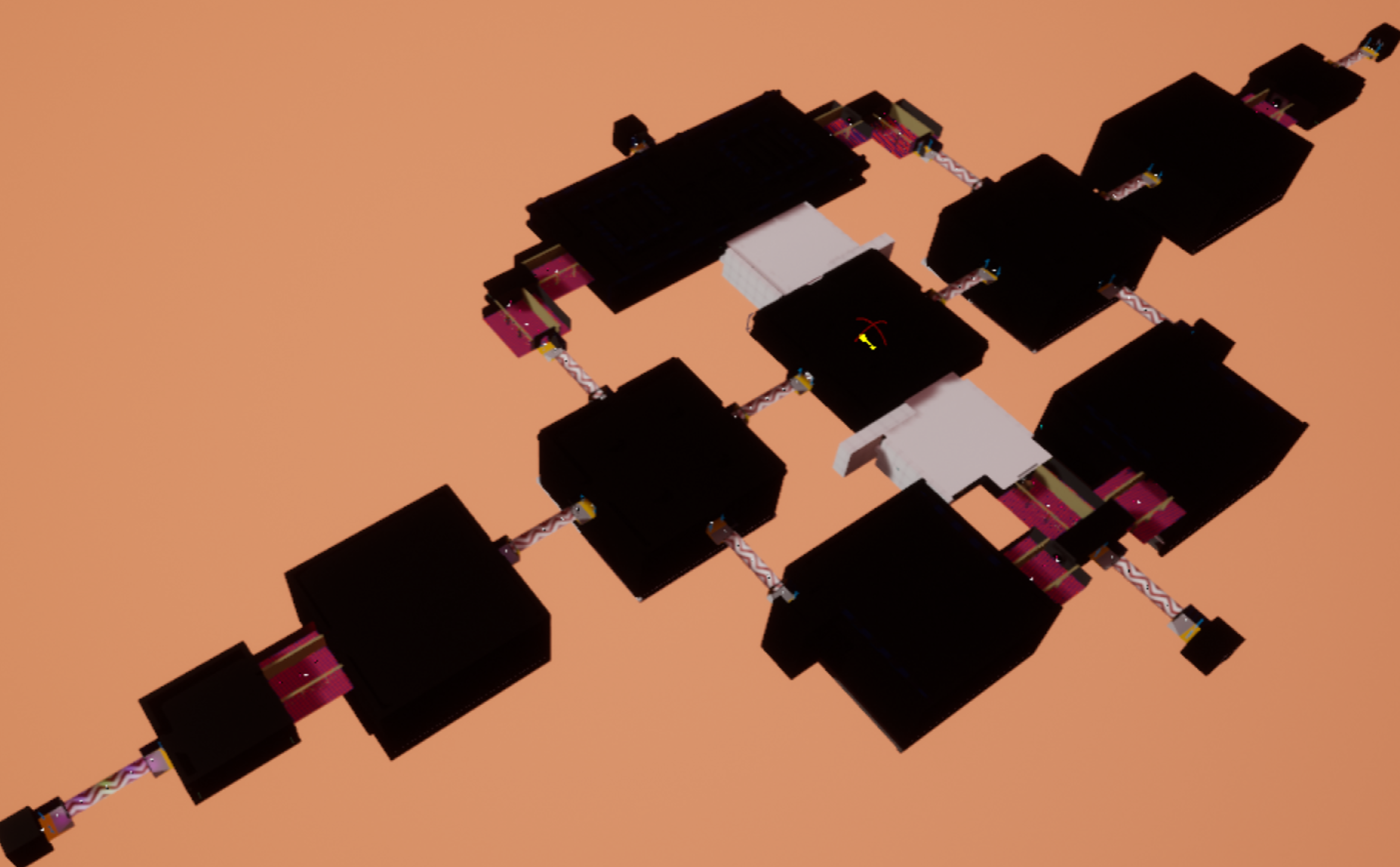
Initially these handmade rooms were designed to be used for a procedural generator but due to scope that was scratched mid-way through the project.
This meant that more vertical spaces couldn’t be planned in on time and a level had to be hand crafted and pieced together with whatever rooms were available at the time while maintaining flow.
SCRUM Master
As a scrum master I made the set up in Trello for my team. Made sure stand-ups, sprint planning and retrospectives/ reviews happen in good order while keeping close contact with the Product owner and stakeholders during the rapid prototype phase.
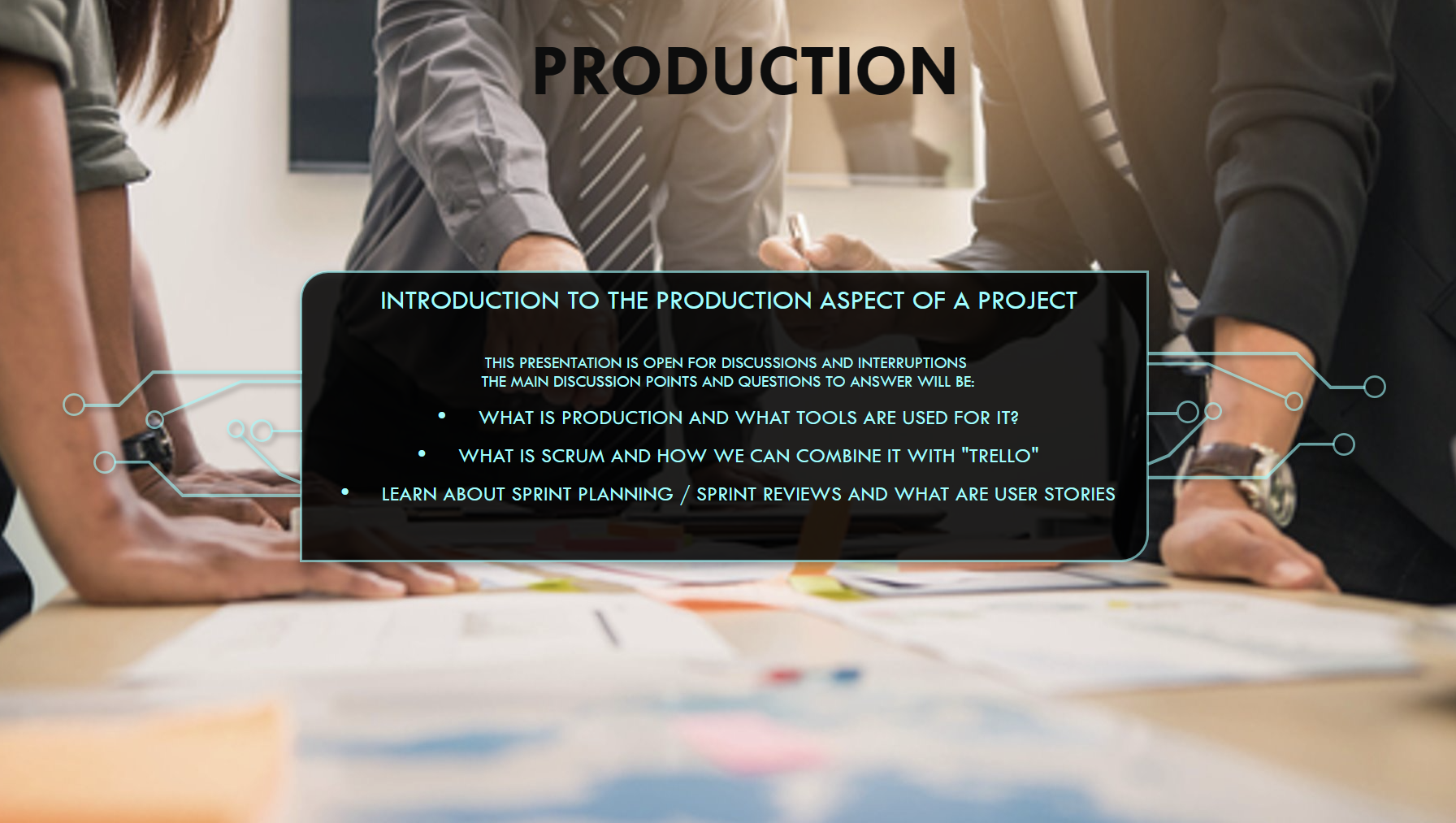
For that I also used a SCRUM introduction I made a while ago that is still highly appreciated by students and is ramping in PowerPoint views.
Personal Post-Mortem
Mistakes made:
A key takeaway for me and something to remember is how I distributed some of these traps between the Programmers.
Some traps like the ones that require a button press instead of focusing all of the button triggered ones to one programmer I gave to 2 different ones which resulted in issues and miscommunication with the blueprints.
Its important to really think about the logic of the mechanic and pay attention to what I give to one programmer compared to another, so production doesn’t slow down because this is a rapid prototyping phase after all.
Pitching:
While pitching although I am happy with the way I presented, I was disappointed to realize I did not look at the presentation as a whole and didn’t notice the contradictory information in some of the slides which I noticed way later during the actual pitching. Just a reminder that the pitch is a very important part of this industry and attention to detail must be made each time.
My learning outcomes:
Do level design in such way that you can explain the story without saying it!
Quality over quantity in this case.
I take accountability for the amount of work that I expected to be done. Adding a huge list of traps in order to showcase that ‘funhouse’ variety isn’t necessary for a first prototype but rather finding what’s fun and capitalizing on it.
- Quality over content.
- Take a good look and be mindful of what the team is capable of.
- Less feature creeping. Find the fun and capitalize
- Overlooking a pitch and making sure there isn’t any controversial information.
- Use decision matrix over simple voting. (its more detailed and provides better result)
- Quicker prototyping = earlier iteration cycle