Lost in Limbo
Navigators:
About
“Lost in Limbo” is an action adventure rogulite inspired by Hades and Tunic which was our initial indie company project, a company we started as year 4 students and is currently in the backlog due to scope concerns, in the meantime the company made the smart decision to create something smaller in a shorter period which is ”Sip Of Sanity”. This project though me the following and much more I cannot fully get into here.
Primary Role:
Lead Level Designer
Secondary Role:
Game Designer
Engine:
Unreal Engine 5
Team Size:
12
Status:
Put on hold
Main contributions
- Designing levels and gameplay experience for a top-down isometric perspective adventure roguelite
- A variety of LD ingredients for additional challenge during runs
- Designing & implementing an end game meta-progression skill tree system using GAS (Unreal's gameplay ability system)
- Scale and composition of levels as well as theme direcitons
- Ensure pipelines and standards are met for a healthy project and efficiency when developing
As a co-founder
- Supervising & managing design interns, including contracts, interviews and career growth plans and more
- Office and team building management
- Lead meetings and company growth
- Organizing play testers for QA sessions
- Representing company at industry events like Gamescom, Gamesground and much more
Early Development
During concepting, I went through extensive iterations to find the right playable space structure for the project’s evolving design needs.
Directions explored included:
Exploration-focused levels inspired by Tunic, layered with roguelite elements
Small-to-medium contained levels in the vein of The Binding of Isaac
Various level design ingredients like puzzles, time-based challenges, and more
After weighing the options against the project’s scope and design pillars, we landed on fast-paced, room-to-room procedurally generated dungeons with a strong emphasis on economy-driven decisions drawing closest inspiration from The Binding of Isaac.
Below are some of the blockouts and prototypes produced throughout that process:
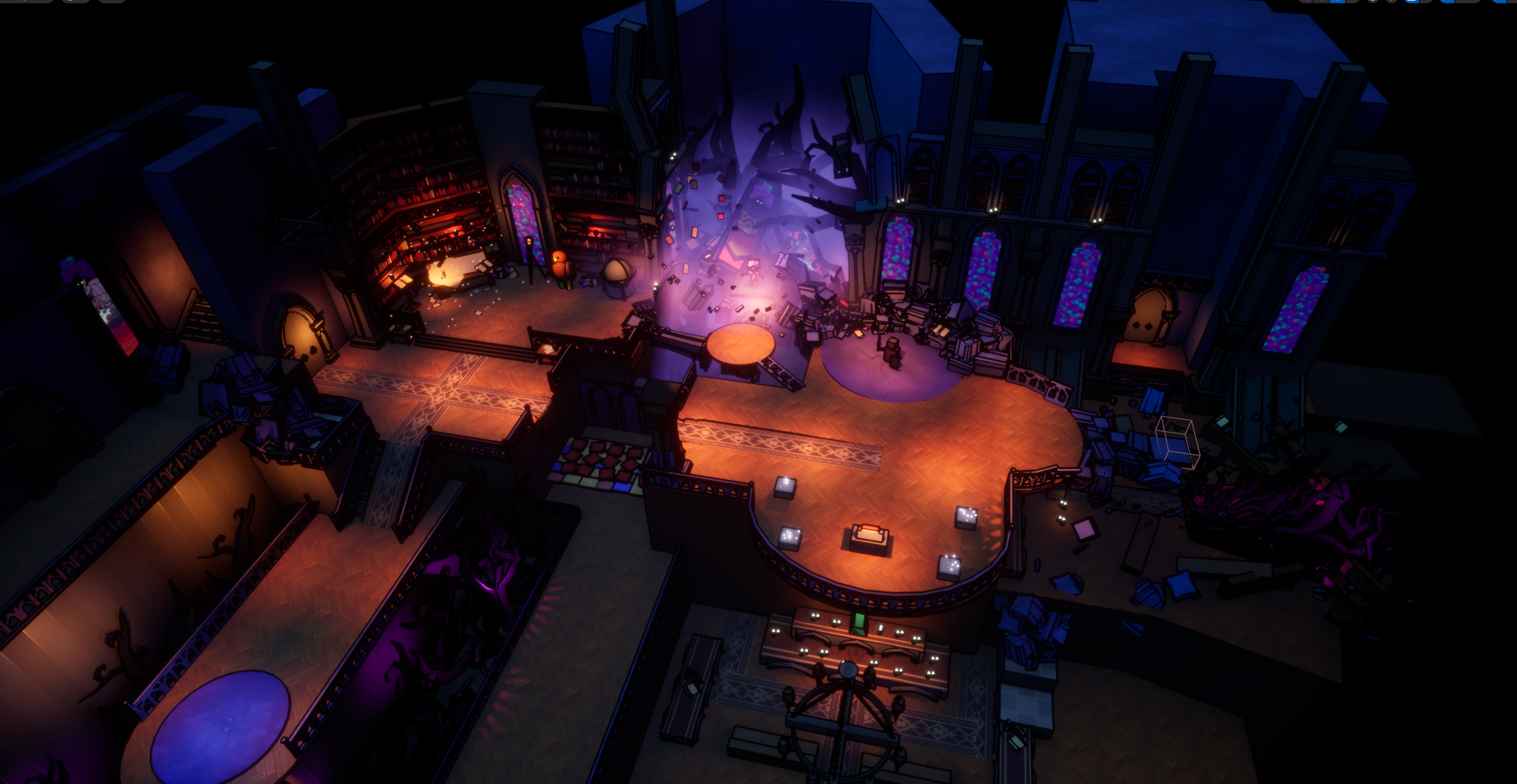
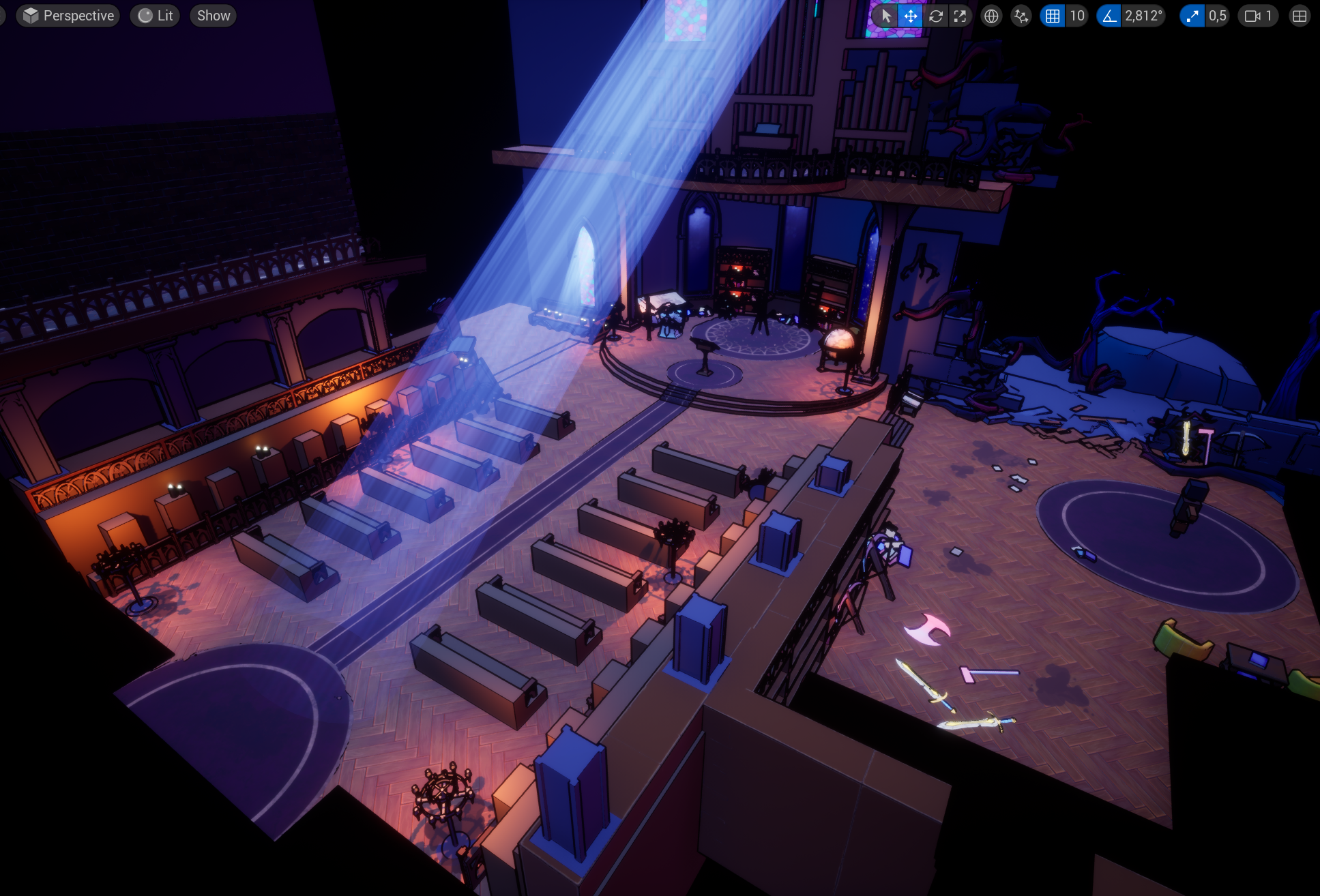
The HUB is the player’s base of operations, its design and set dressing was done primarily by me, in close collaboration with the art team.
Level Design
As Lead Level Designer, I owned the design and ongoing management of the dungeon rooms, generation and its systems from conception through production. Core responsibilities included:
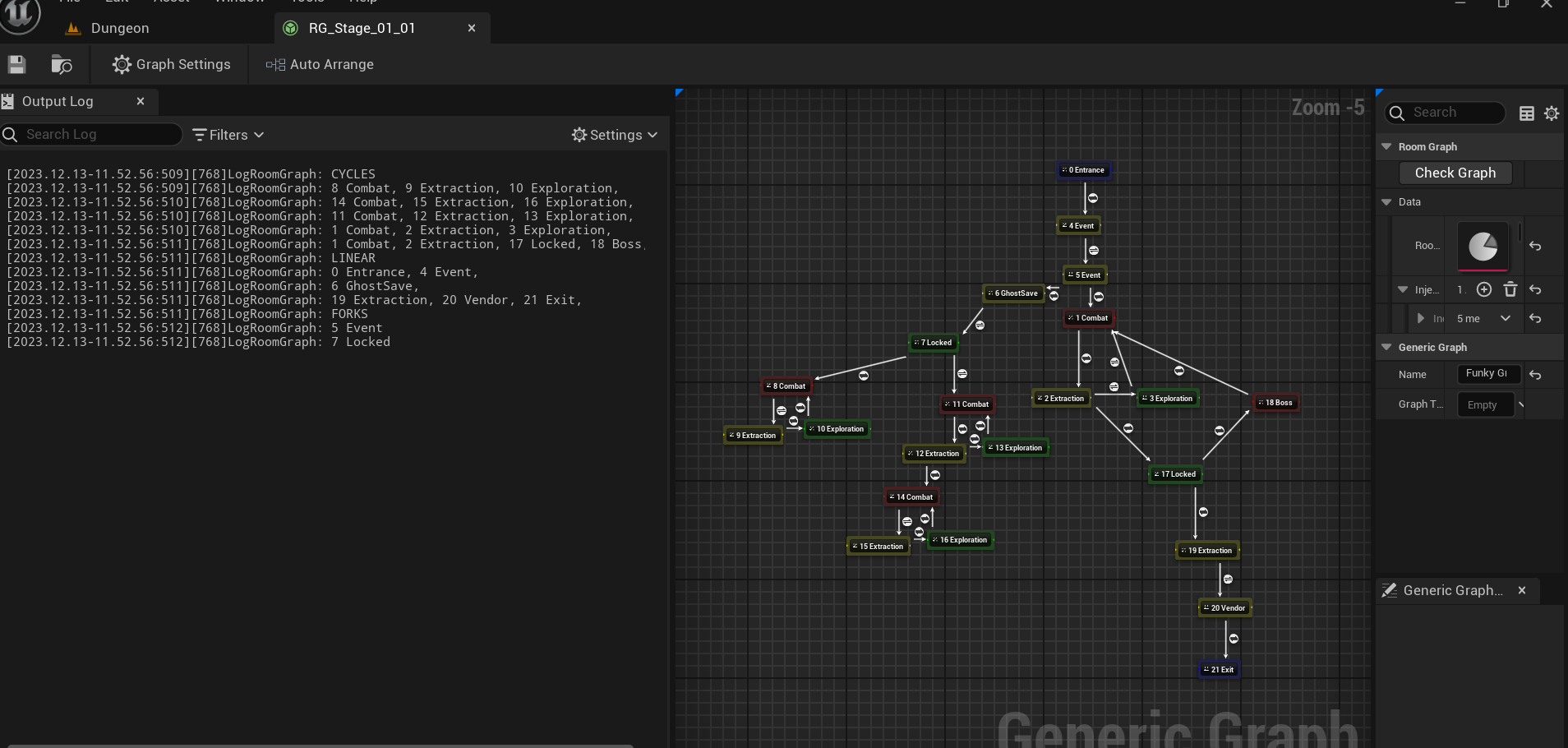
Room Graph Ownership – Overseeing and maintaining our custom procedural graph system, including designing multiple difficulty graphs that varied in length and structure to create distinct challenge curves
Room Pool Design — Leading the creation of a diverse pool of dungeon rooms to ensure each run felt fresh and replayable
Room Composition & Set Dressing – Designing rooms to align with the game’s aesthetic, narrative direction, and environmental storytelling, with several rooms concepted and set dressed entirely independently
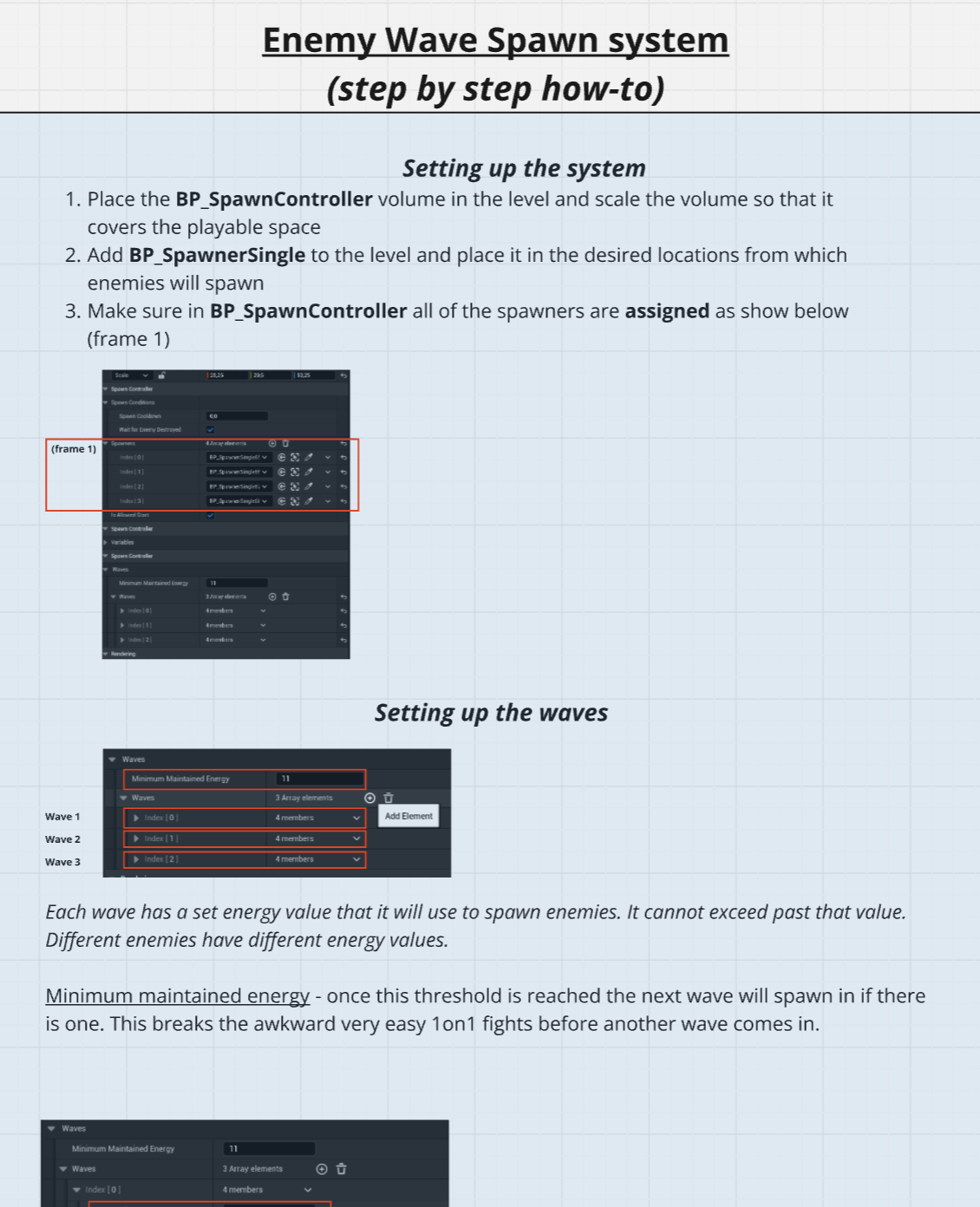
Wave Encounter Management – Designing and managing wave encounter systems within levels, directly contributing to the balancing and pacing of each run
Intern Mentorship – Managing level design interns throughout production, providing structured feedback and creating opportunities for hands-on growth within the project
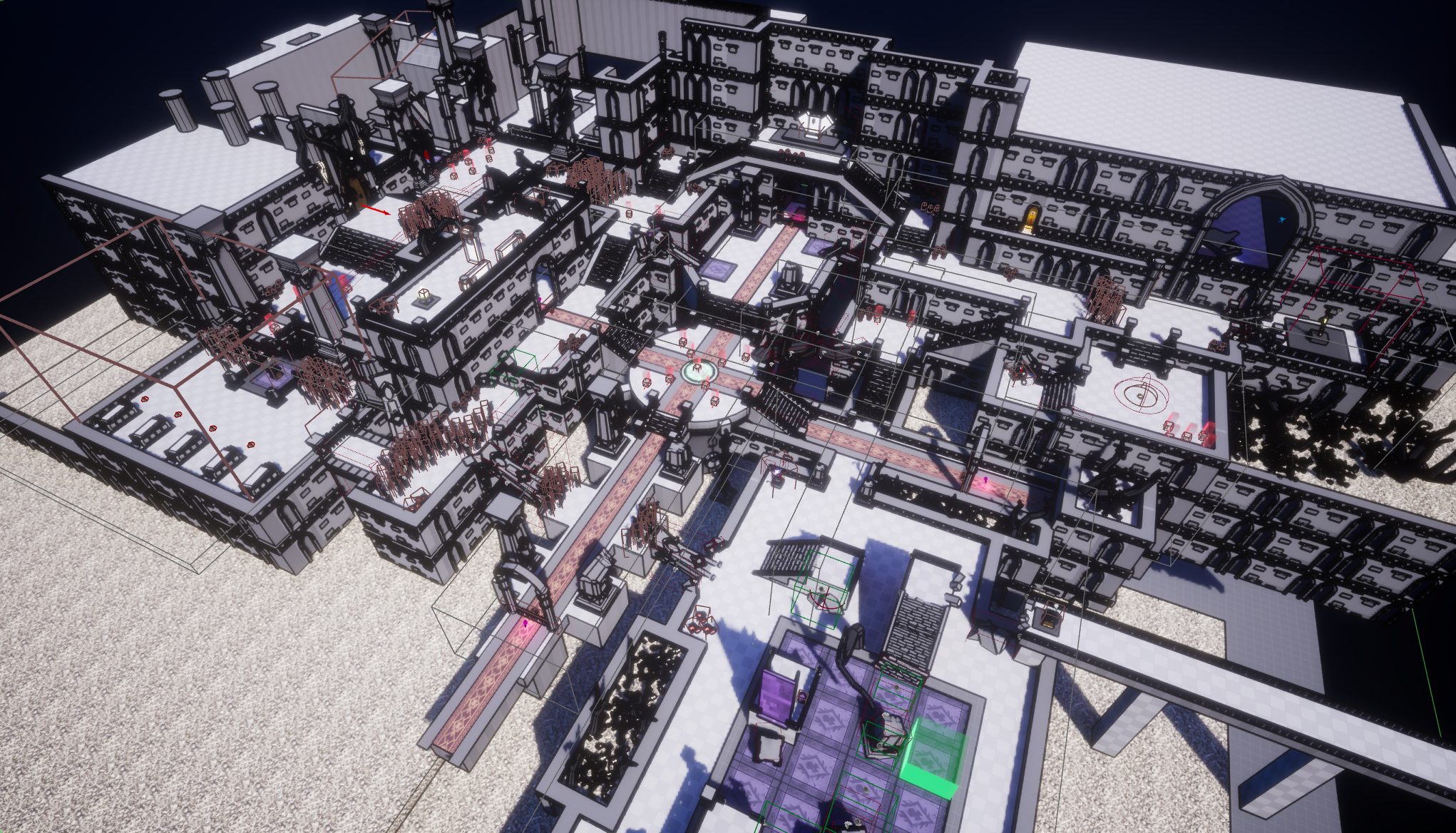
Dungeon Graphs & room pool level design
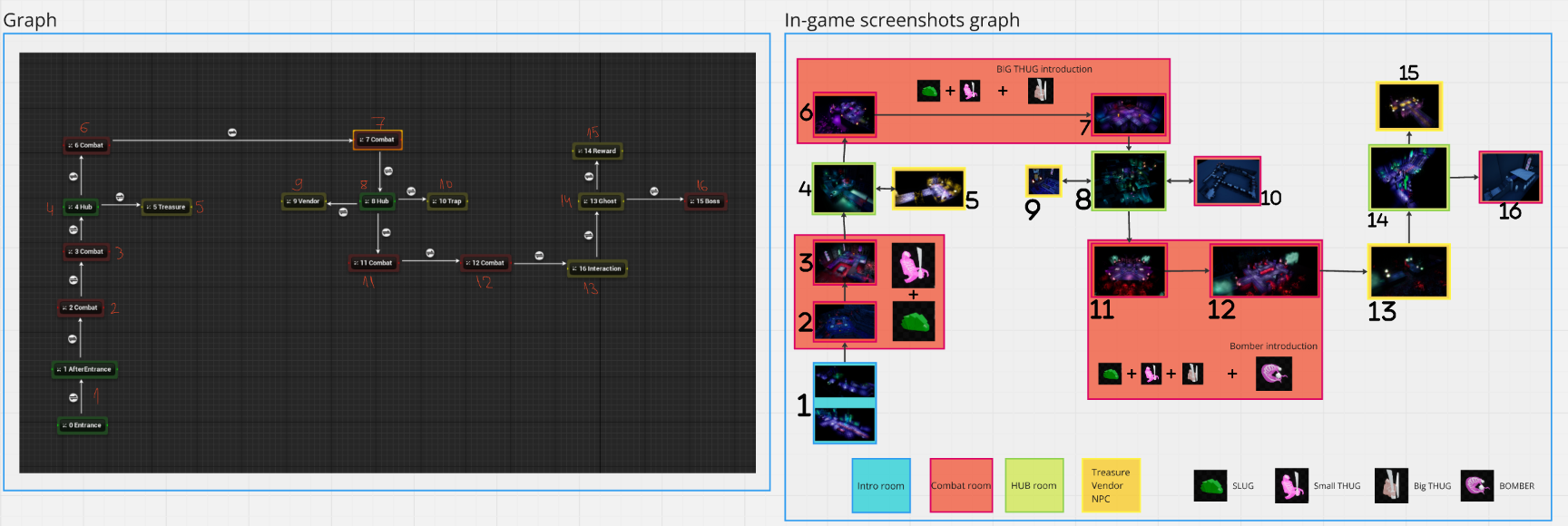
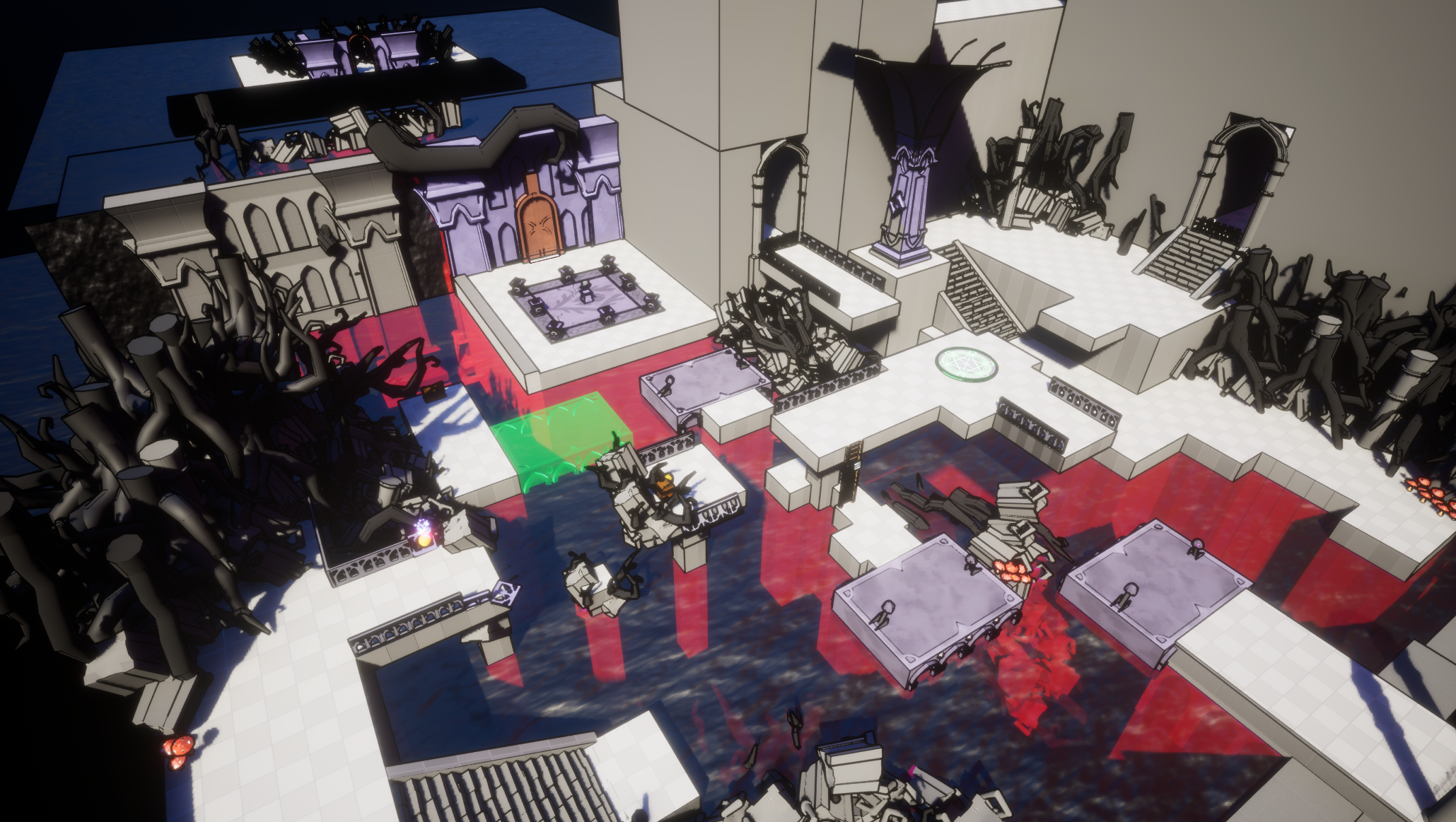
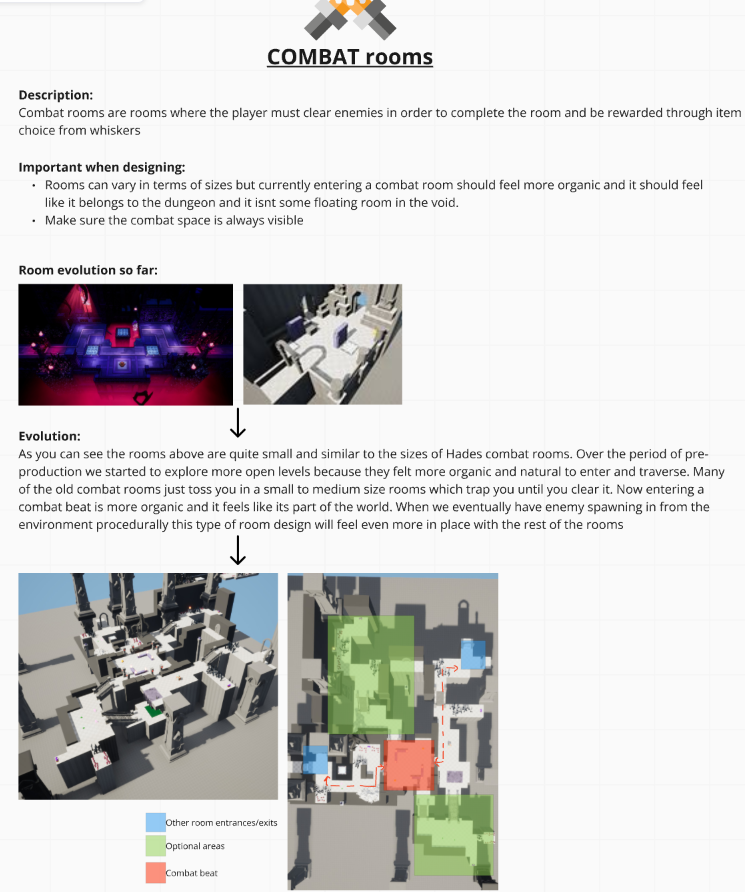
Combat rooms (some of the blockouts)
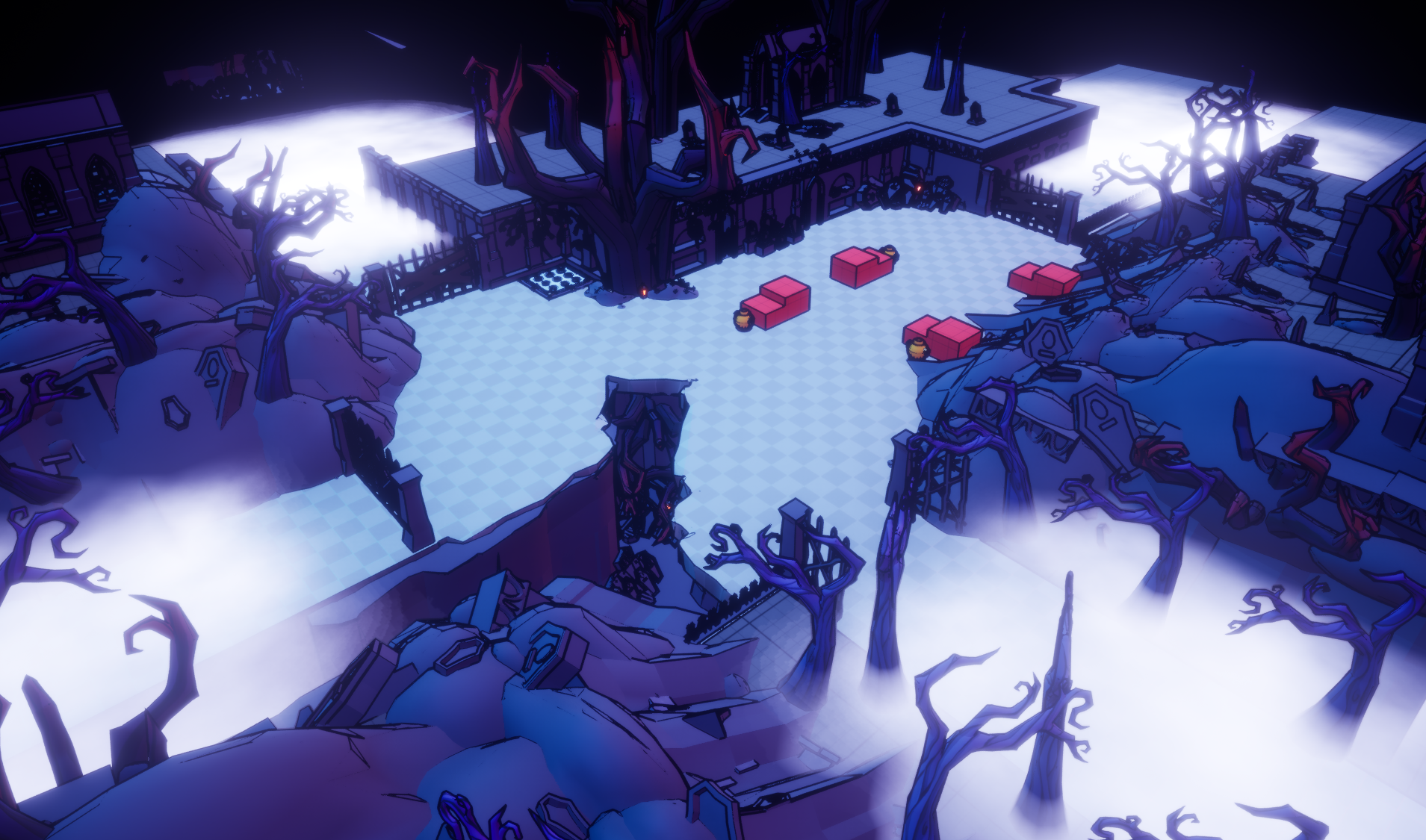
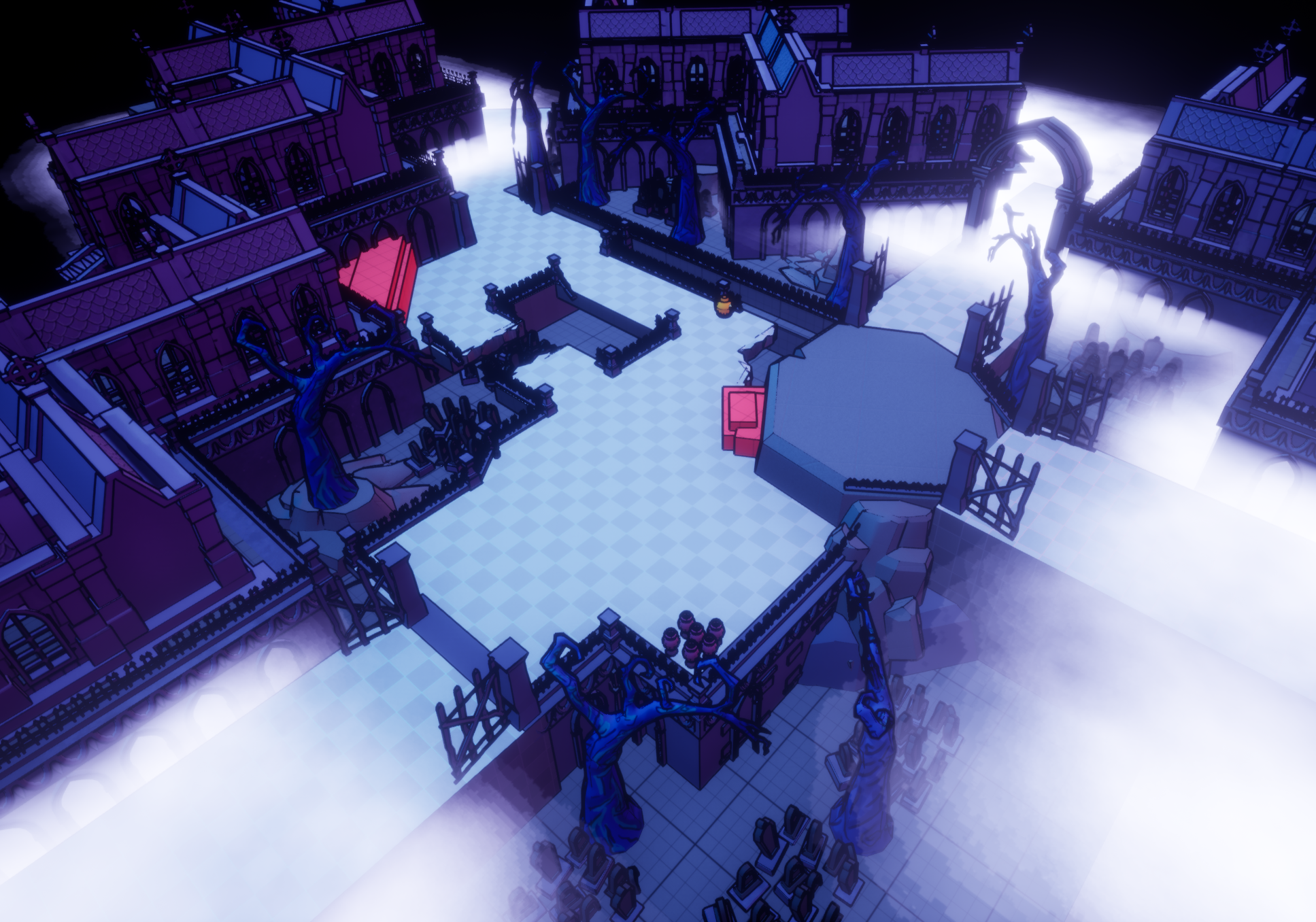
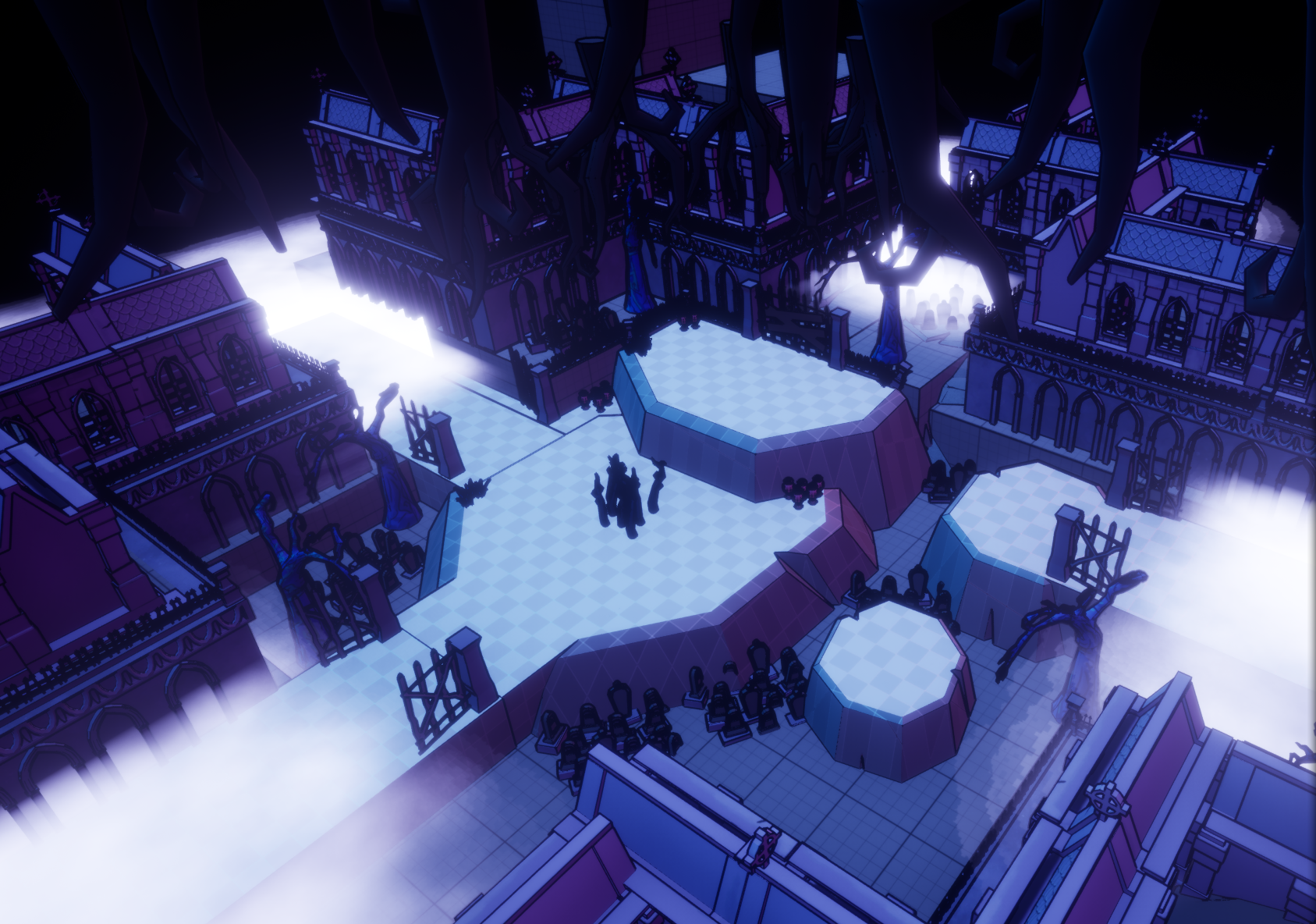
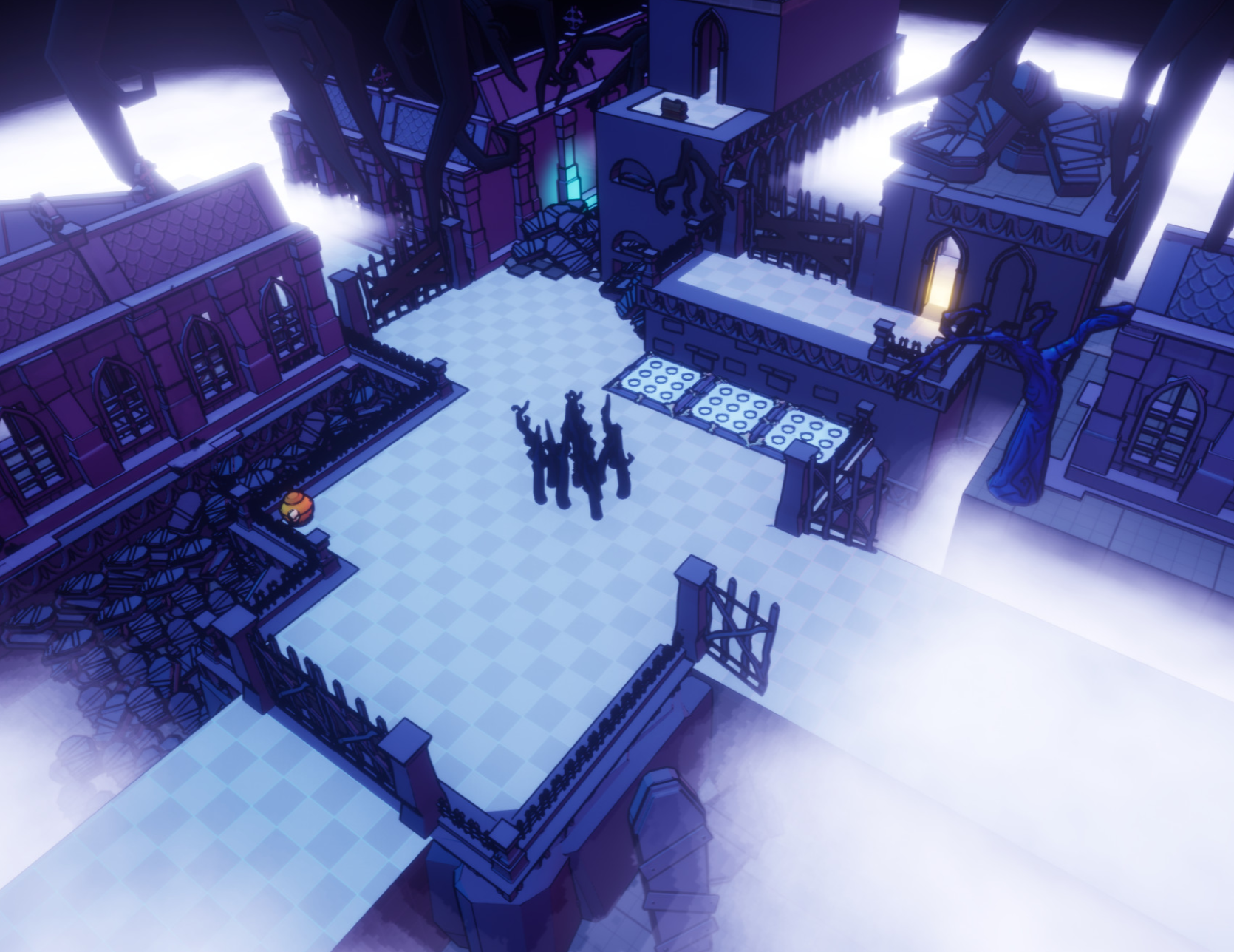
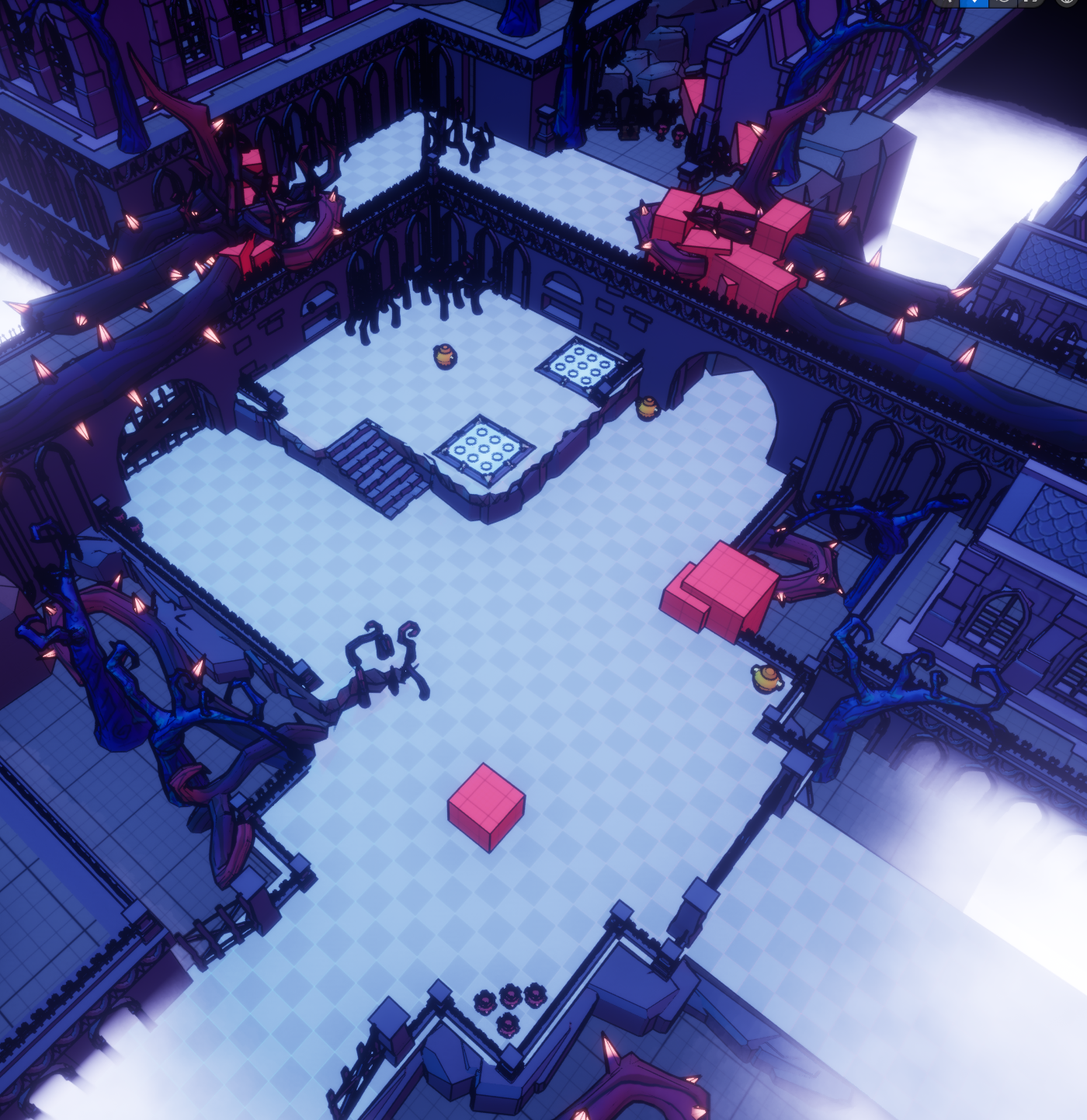
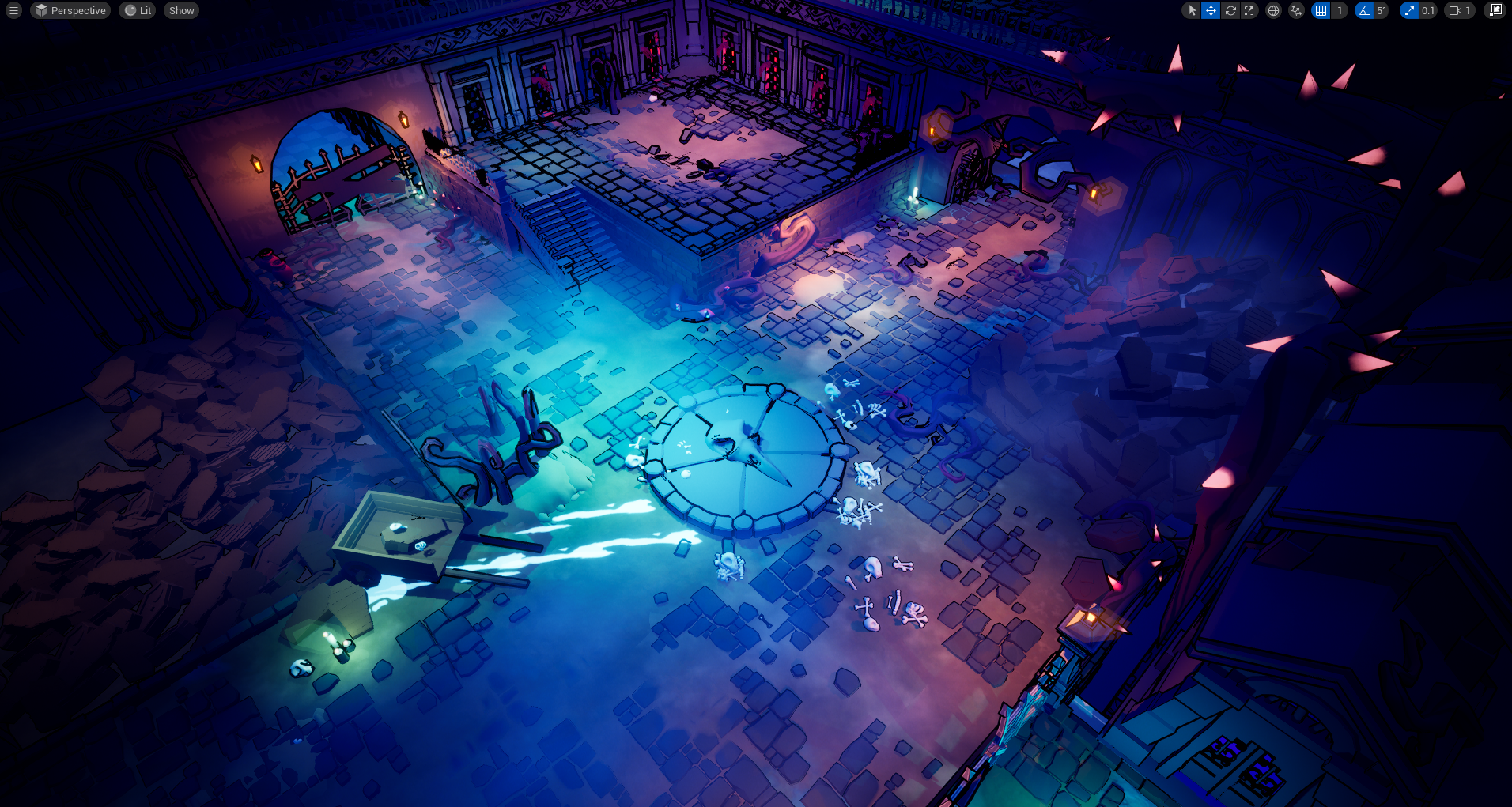
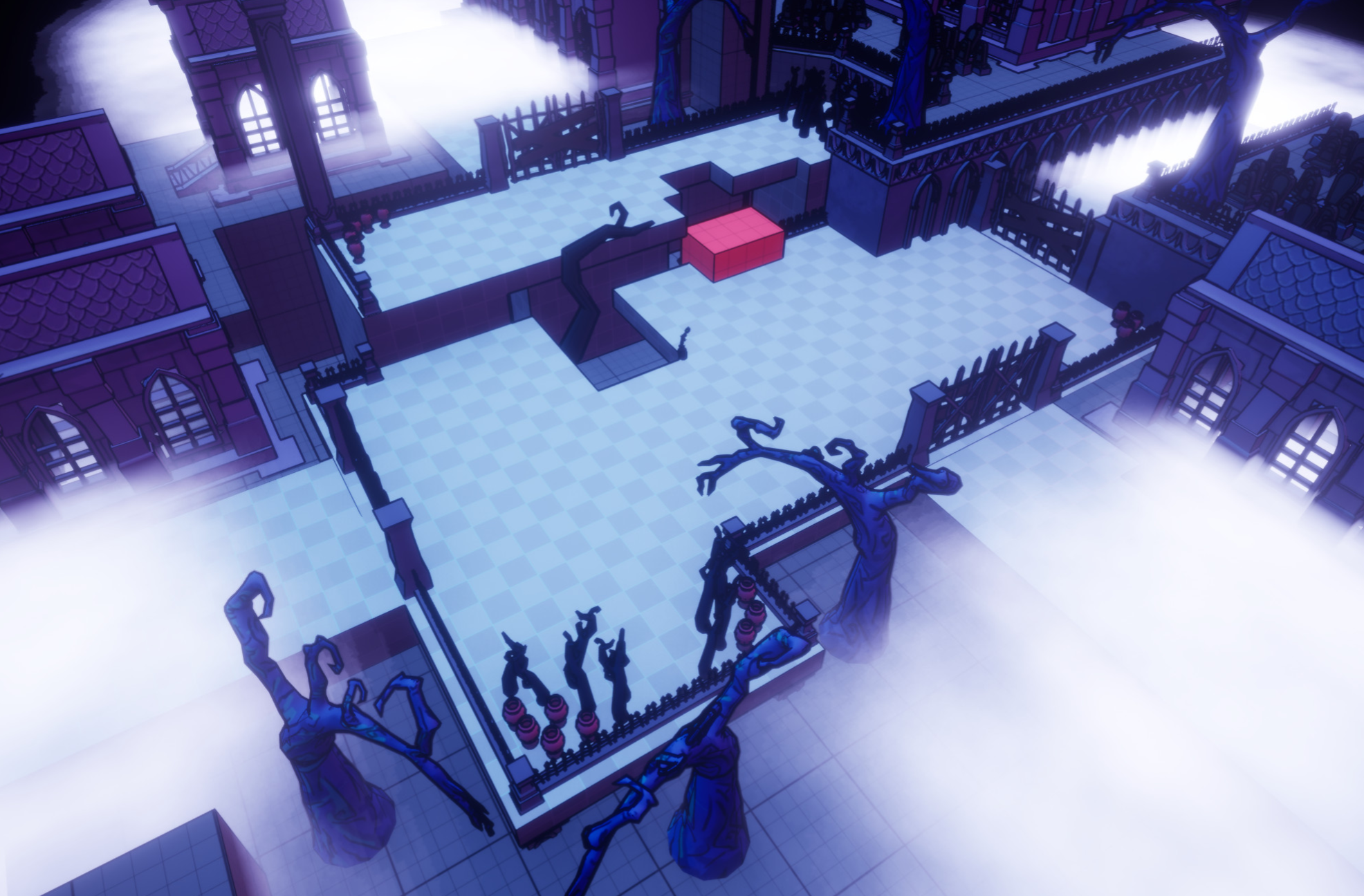

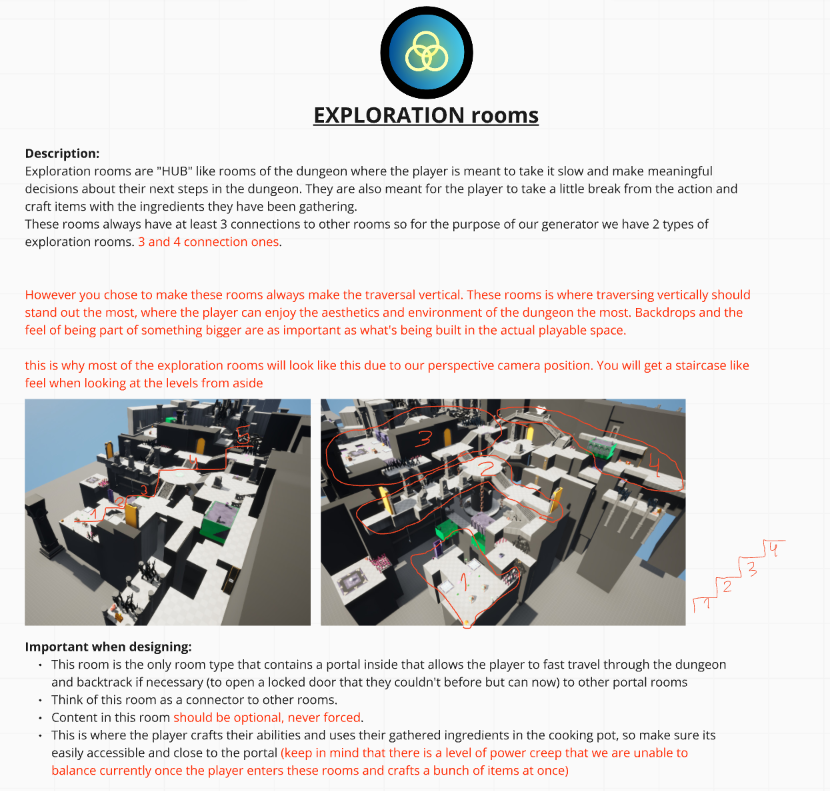
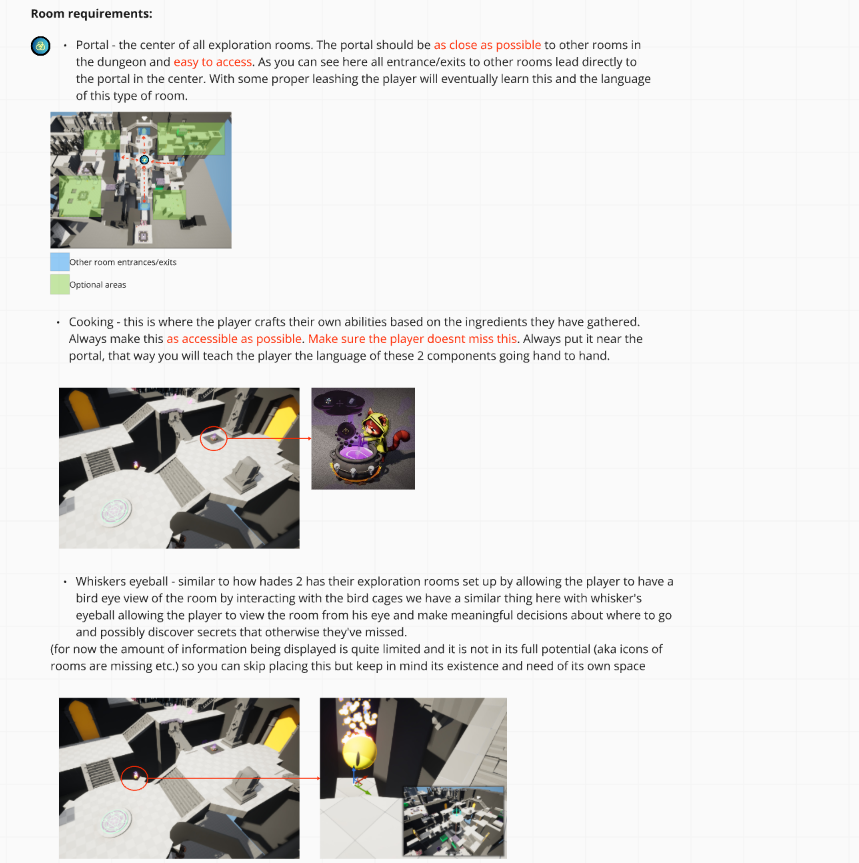
Exploration & puzzle rooms before they were scrapped due to scope reasons

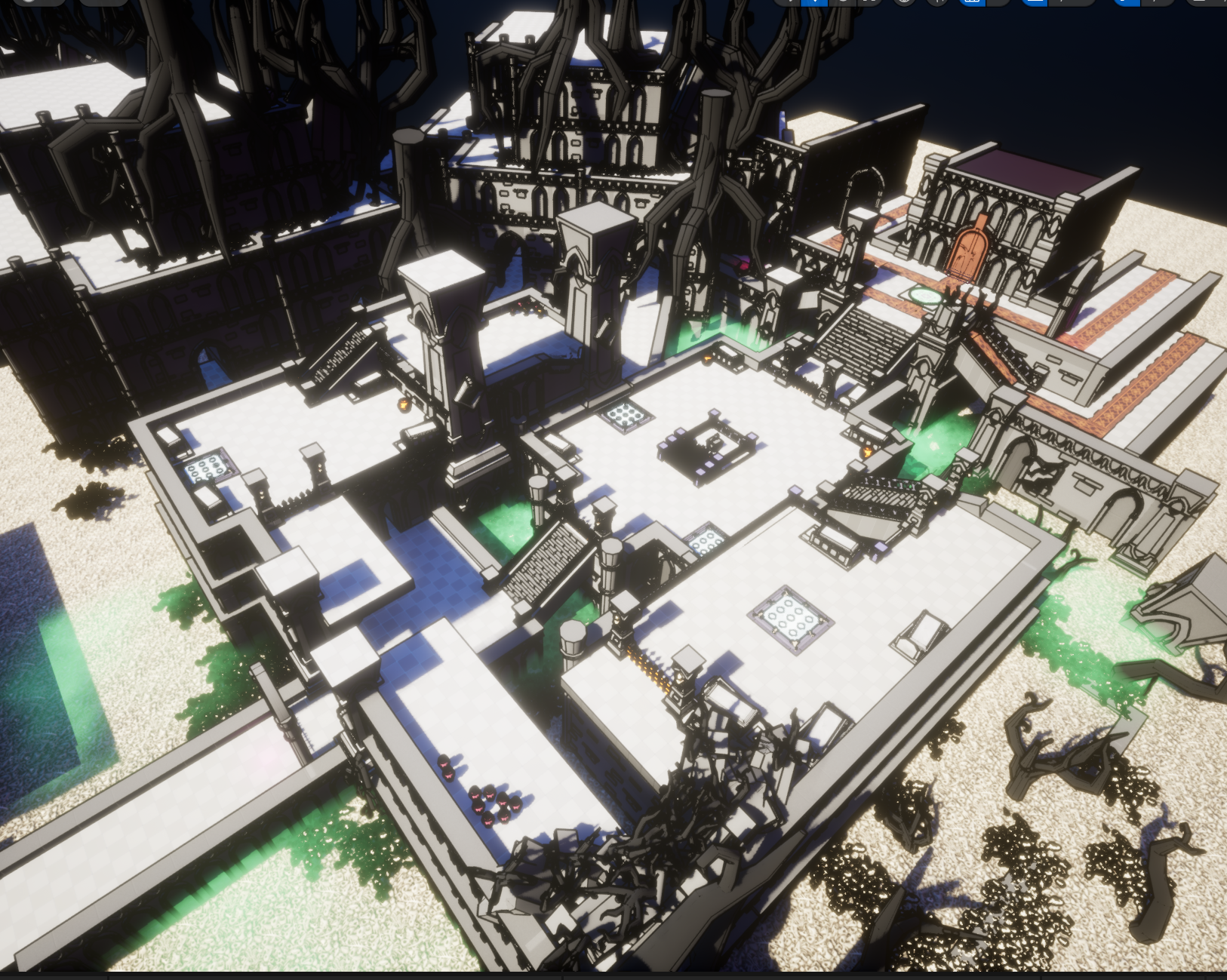
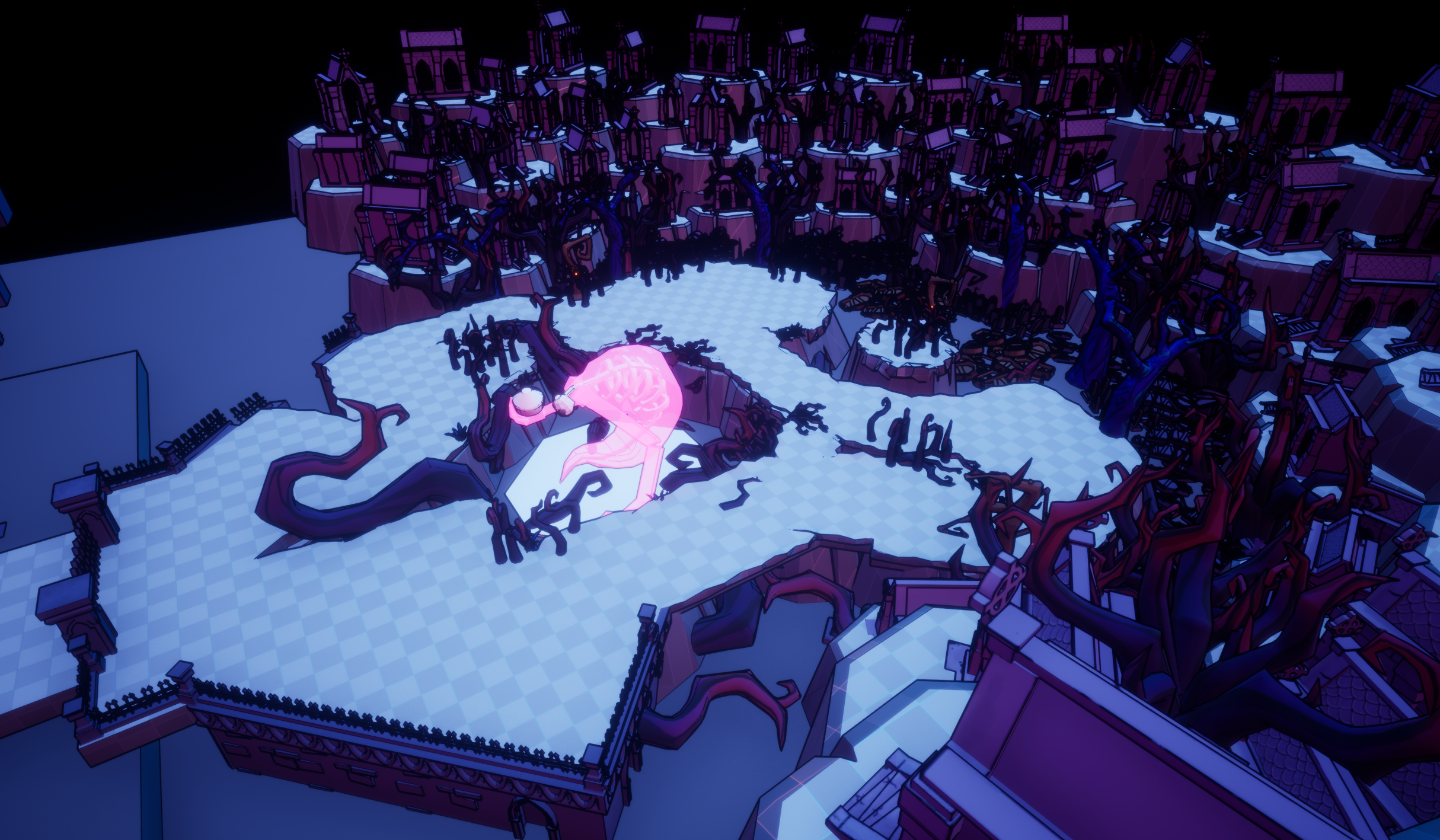
Boss room level design, composition and iteration
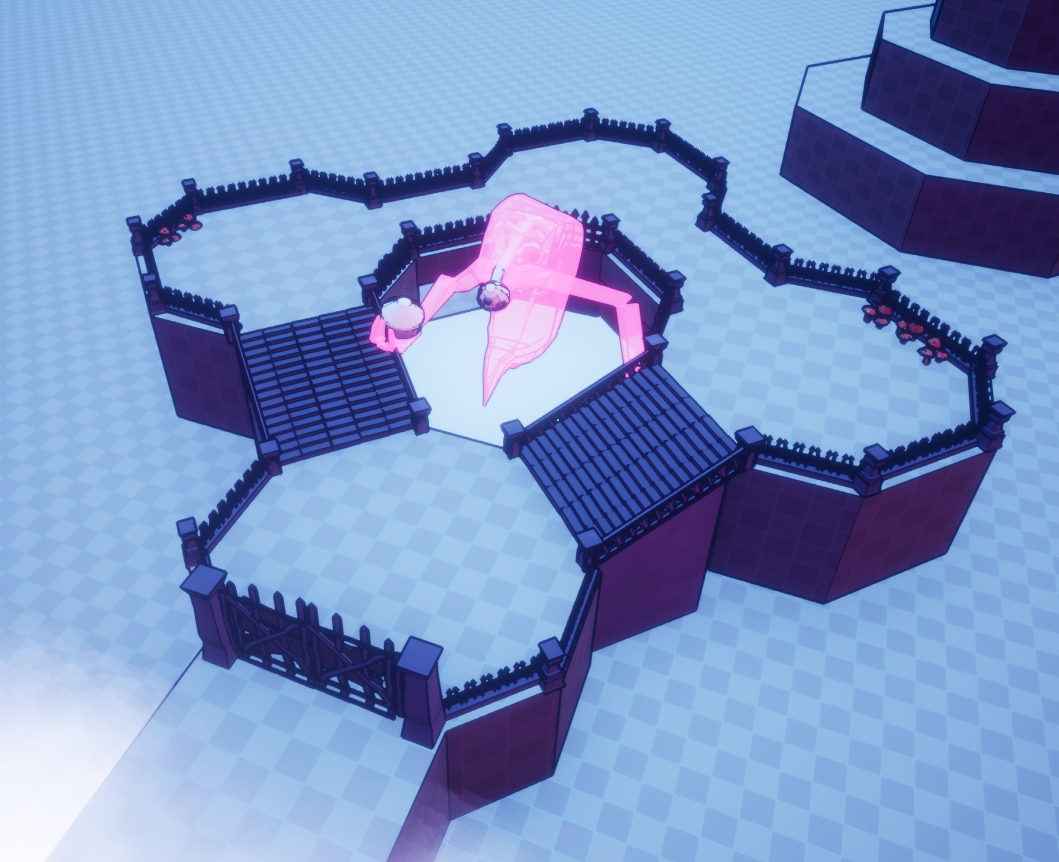
Intern onboarding & management
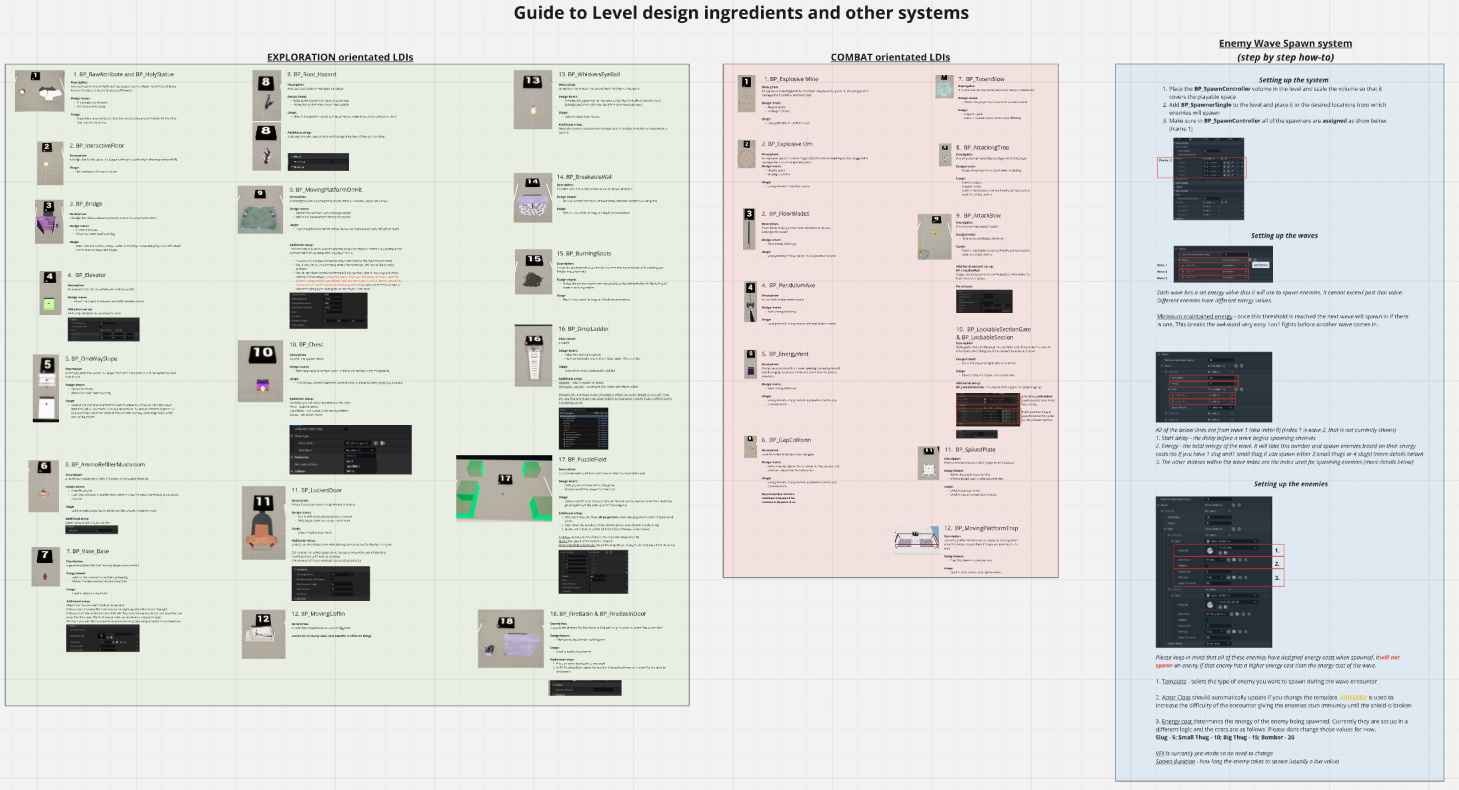
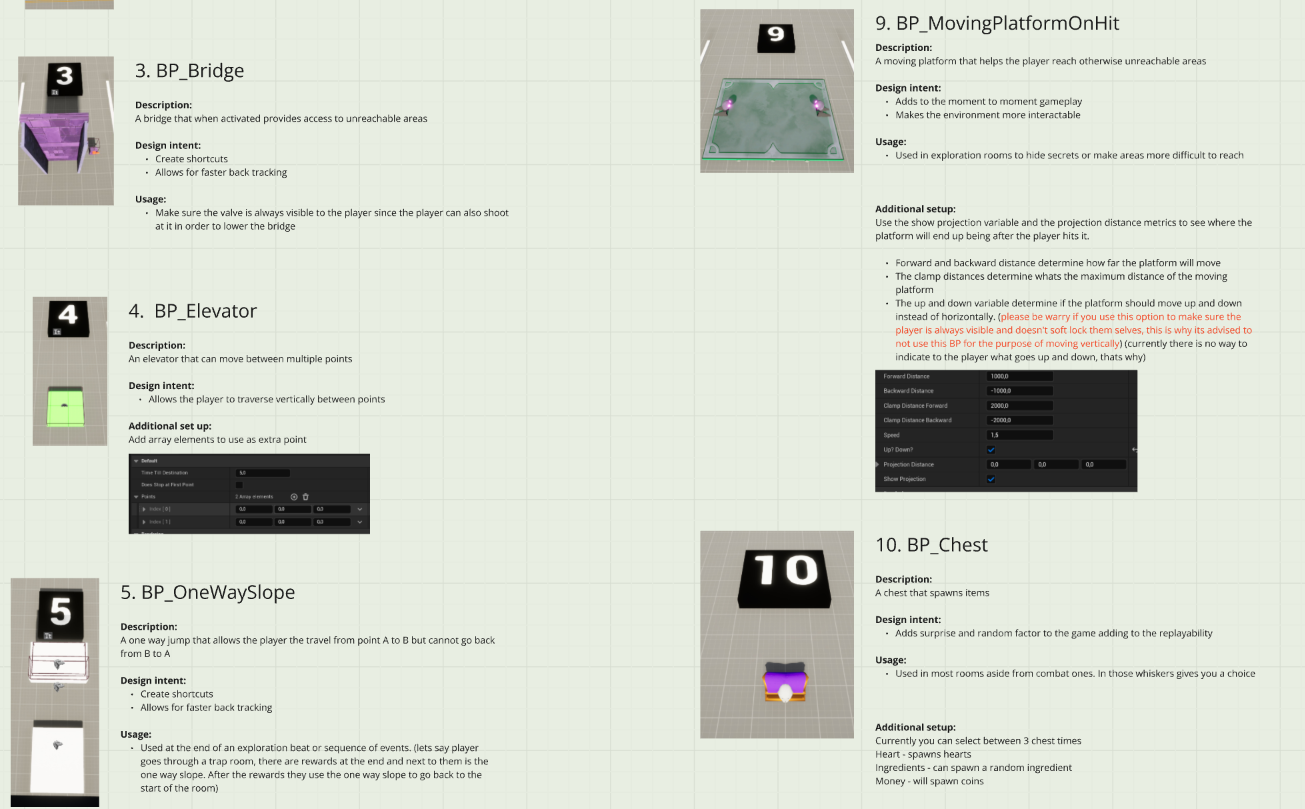
Prior to the interns’ first day, I prepared comprehensive design documentation covering the core systems they would be working with, including the wave-based encounter system, established level design ingredients, and clear guidelines on level composition and overall design direction.
LD Ingredients
The Exploding Barrel was made in close collaboration with an animator. With custom sounds designed to reinforce its impact I built it with systemic depth detonatable early by an arrow shot or triggered by nearby Level Design Ingredients.
“Designed early in development, the Hugging Tree stayed relevant for over a year. It hides in plain sight and punishes players who don’t pay attention to their surroundings.
A reel of all the ingredients I made during early project development
A trap room fully designed and set dressed by me using my LDIs (”path of exile” isnpired)
A scalable puzzle I made that I’m proud of (also ”path of exile” inspired)
While not strictly a LD ingredient, I also developed a custom material occlusion function that keeps focus on the player character by dynamically occluding any meshes obscuring them, ensuring visual clarity and screen readability at all times. This gave birth to a lot of cool secrets.
GAS (skill tree)
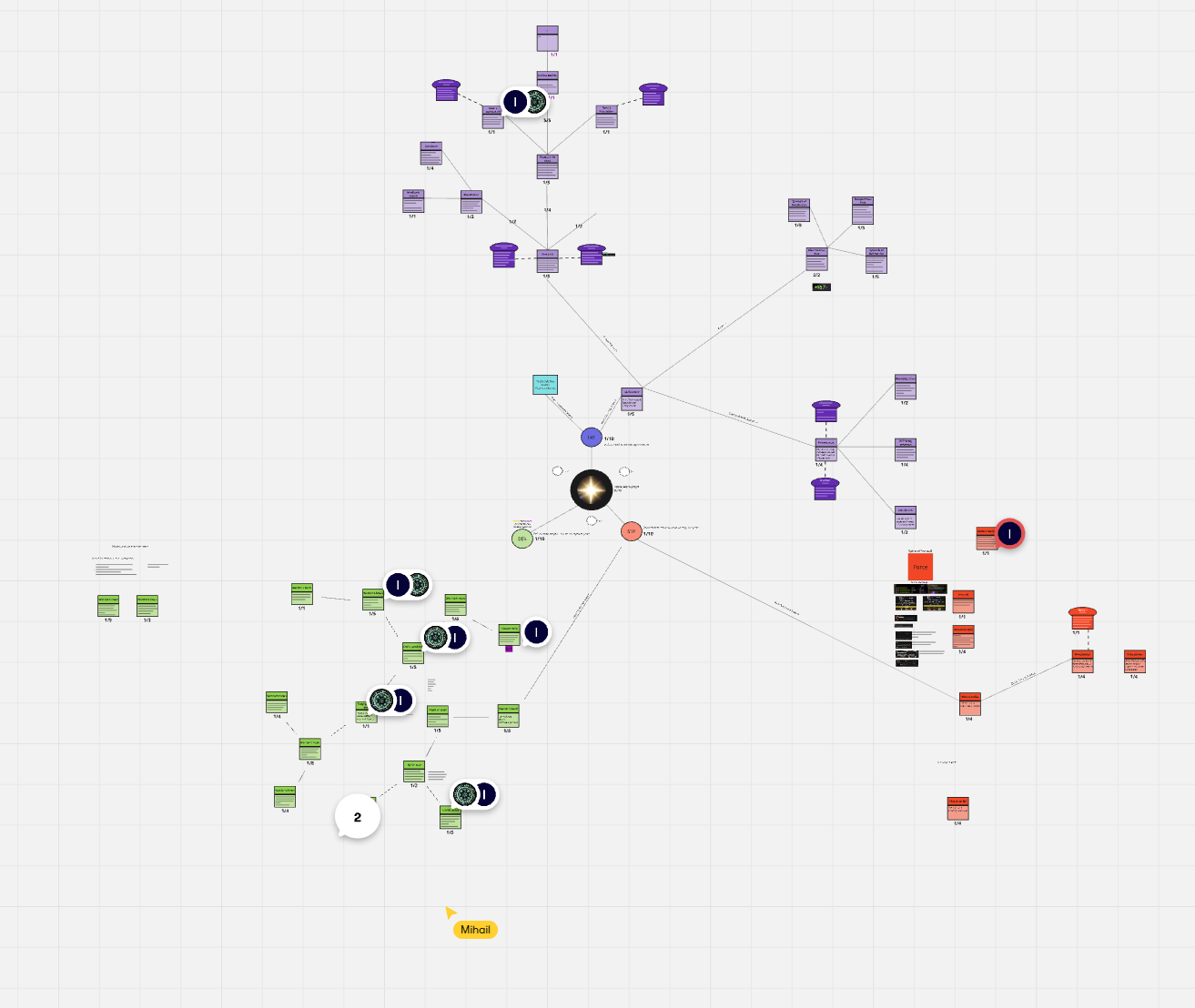
Beyond level design, I also took ownership of the game’s skill tree as Product Owner, directing its design with a strike team from initial concept through to implementation.
The tree went through numerous iterations, drawing heavy inspiration from some of the best skill trees in the ARPG genre, most notably Path of Exile and Last Epoch both known for their depth, build diversity, and player expression. Even ”Skyrim” for the visuals.
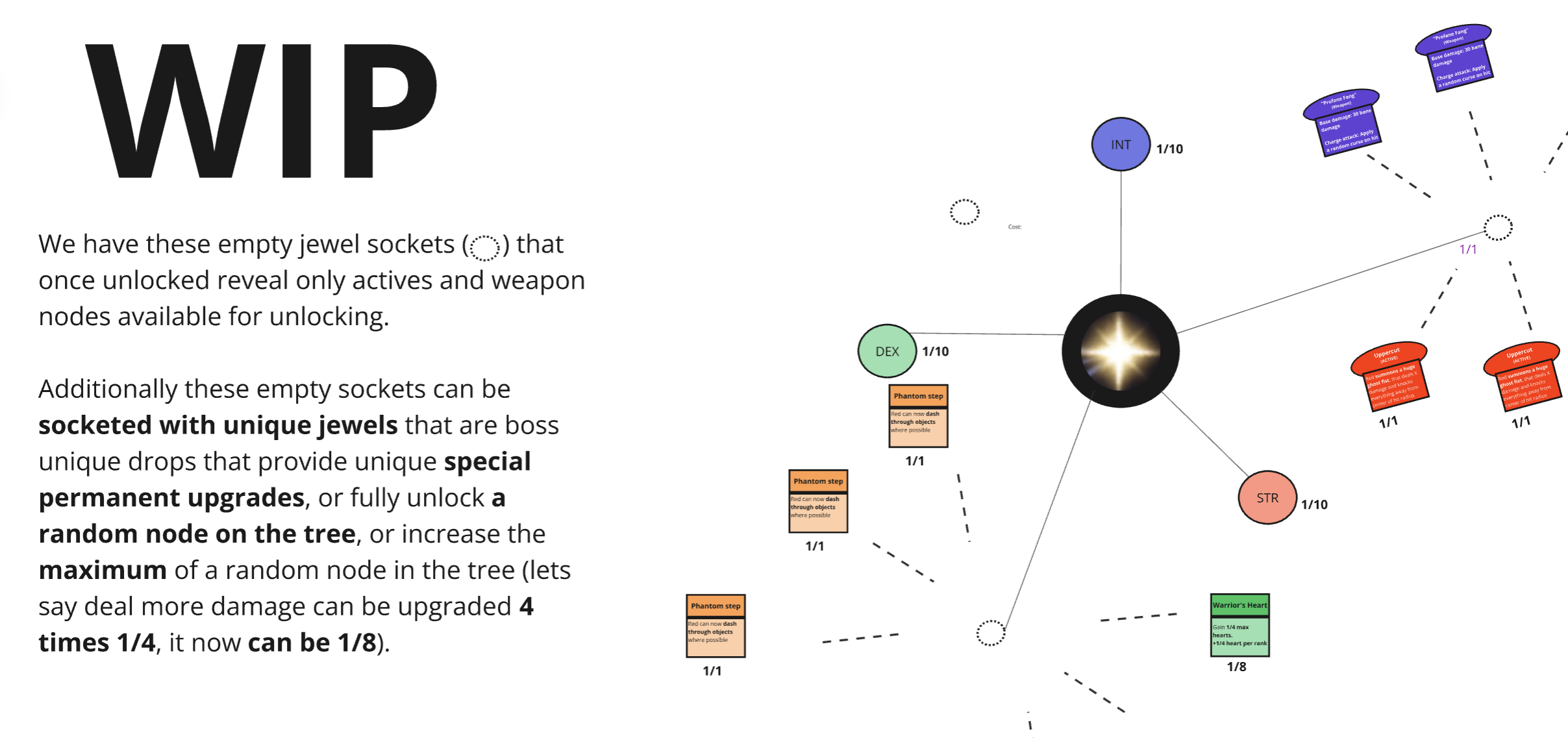
A core design pillar of the tree was progressive reveal: rather than presenting the full tree upfront and possibly overwhelming the player, each unlocked node would surface a set of previously hidden connected nodes. This approach was intentional, easing the player in gradually while maintaining a sense of curiosity and anticipation about what lays ahead, preventing the overwhelming first impression that complex skill trees often suffer from.
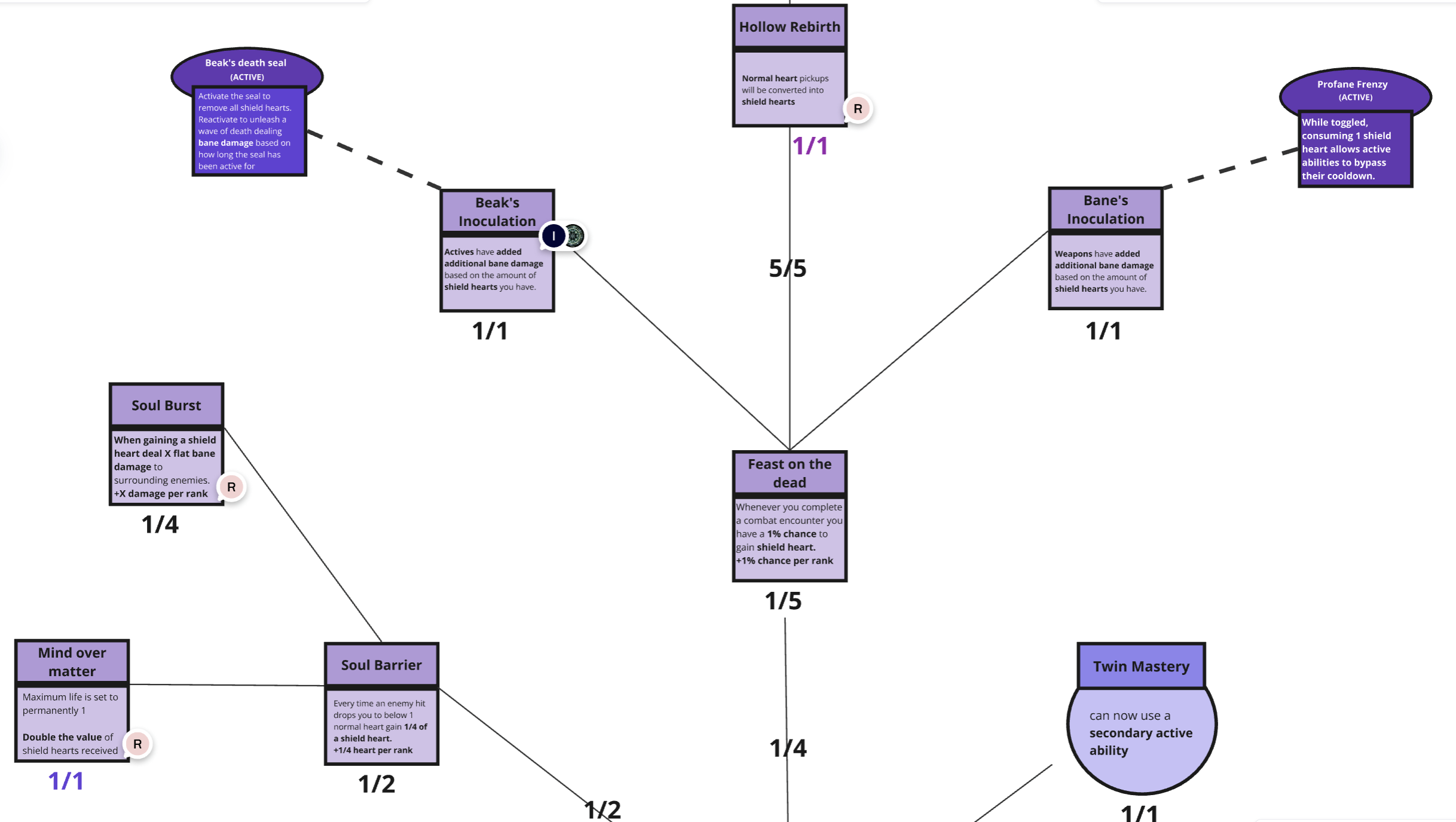
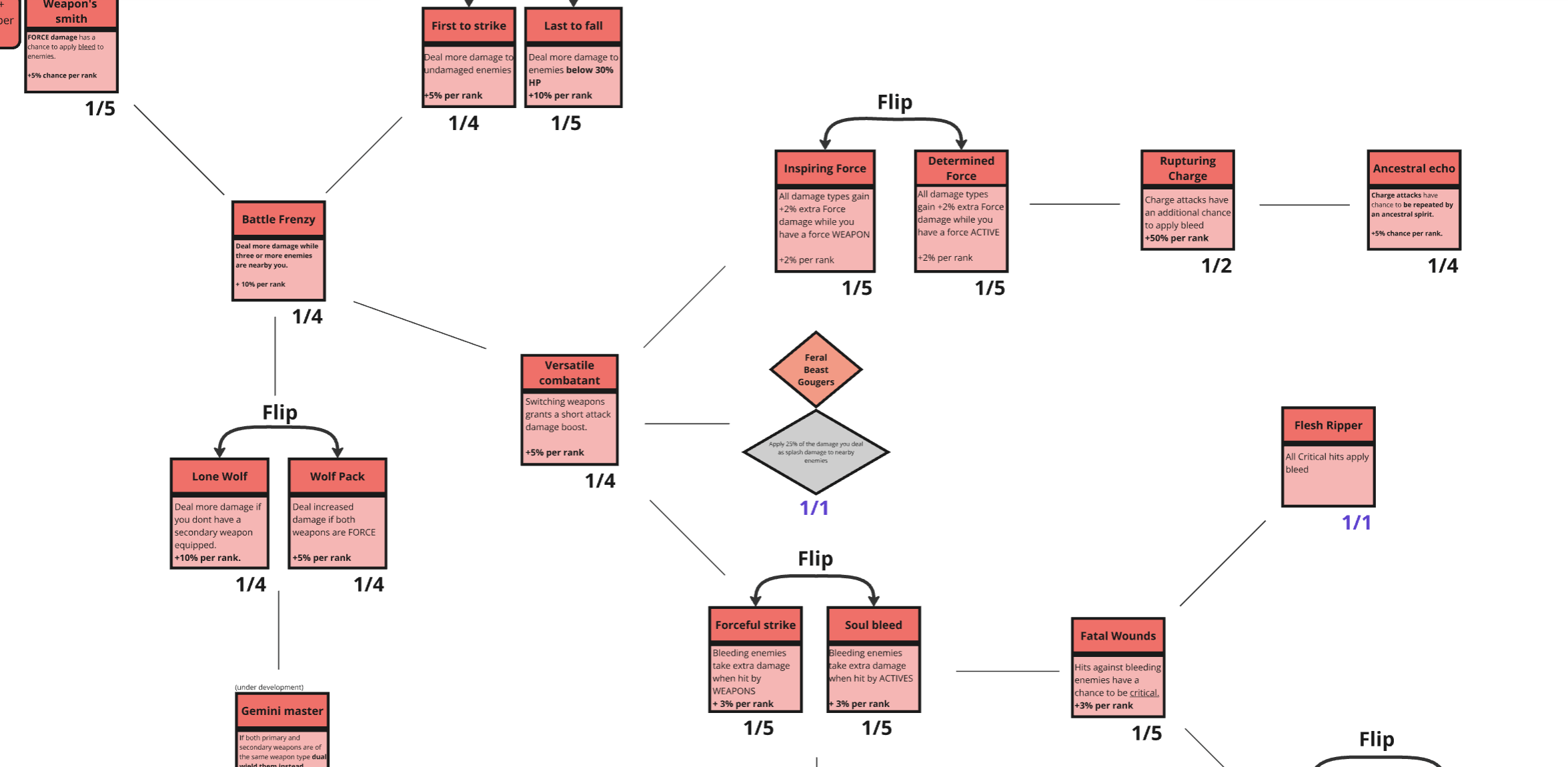
On the technical side, I worked directly with Unreal Engine’s Gameplay Ability System (GAS) to implement a variety of build-defining passive abilities, including hands-on Blueprint work for several of the passives showcased below:
The tree as mentioned was designed with discovery and surprise as a running thread throughout progression. Ideas pulled from across the genre fed into a range of node types, including:
- Choice Nodes – Present the player with two options, swappable at will to adapt to their current build or playstyle
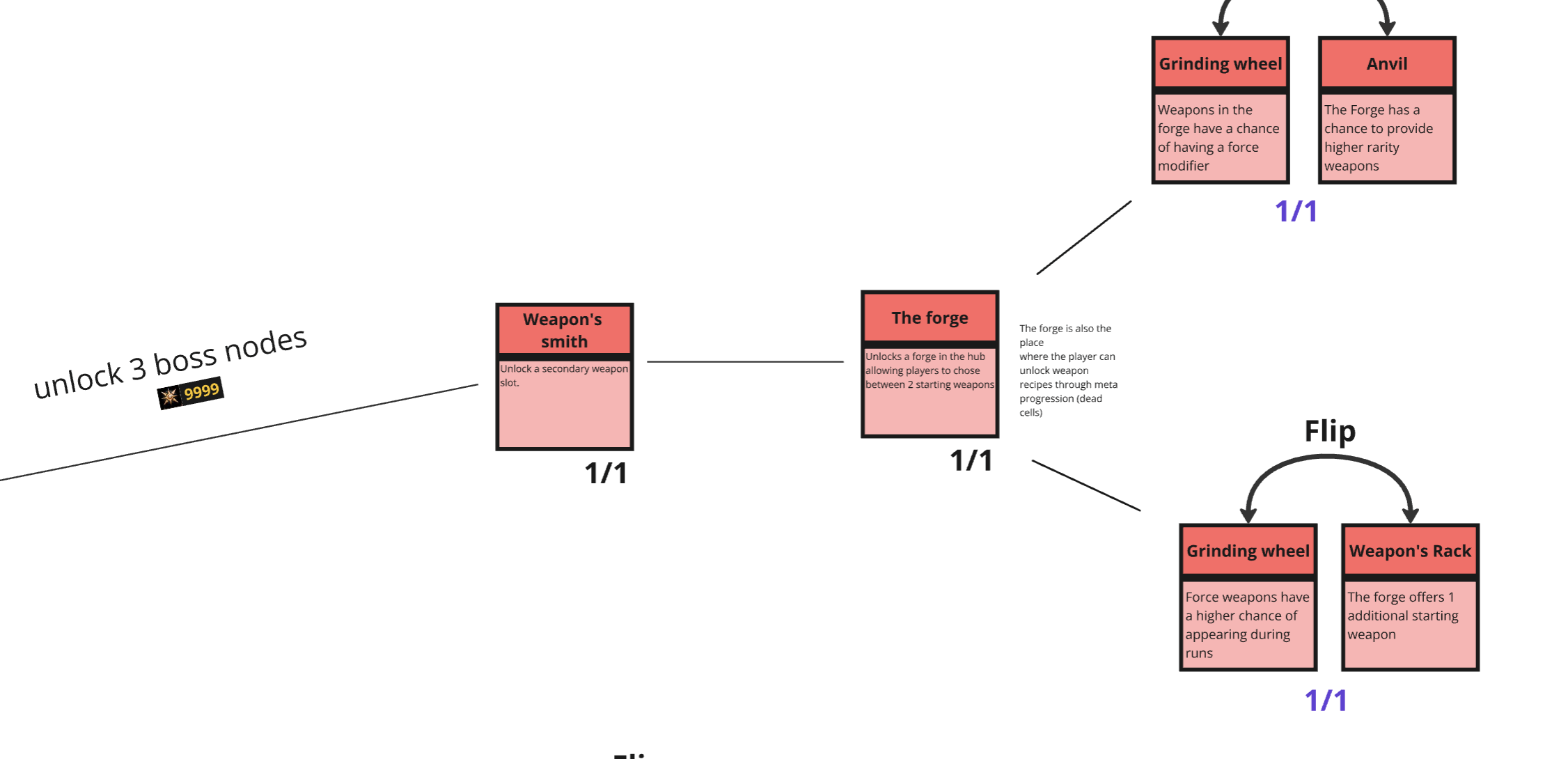
- Hub Upgrade Nodes – Unlock new equipment and gear available in the HUB, rewarding progression beyond individual runs
- Boss-Gated Branches – Entire skill tree branches locked behind specific floor bosses, unveiling new active abilities or weapons that begin appearing in future runs
- Travel Nodes – Allow players to jump across the tree without spending points along the way, preserving valuable points for build-critical choices